FDA Green List Under Fire as Concerns Rise Over Unregulated Drug Ingredients
Physician and ex-congressman Dr. Michael Burgess warns of FDA green list’s risks, citing unregulated pharmaceuticals and past contamination incidents.
4 min read
Dr. Michael Burgess, a former Republican congressman from Texas and current member of RX Border Defense, has called for an overhaul or complete elimination of the U.S. Food and Drug Administration’s (FDA) “green list” for weight loss drug ingredients. In an exclusive interview with Breitbart News, Burgess warned that the list leaves American patients vulnerable to unregulated pharmaceuticals from overseas, especially as demand for weight loss drugs like Ozempic, Mounjaro, Wegovy, and Zepbound (GLP-1s) has surged.
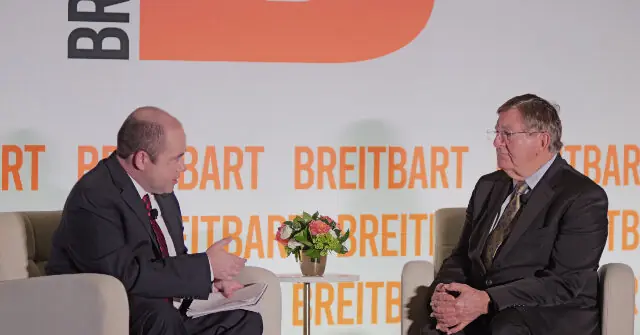
Burgess joined Breitbart News Washington bureau chief Matthew Boyle for a live audience event in Washington, DC, where he discussed the intersection of border security and public safety. He noted that while the popularity of GLP-1 drugs is a positive development—due to their effectiveness and FDA approval—the country has faced shortages of these medications. A recent Gallup analysis found that the percentage of American adults taking GLP-1s for weight loss rose to 11 percent in 2026, up from 3 percent in 2024.
Due to the shortages, some individuals began seeking out the active pharmaceutical ingredients (APIs) in GLP-1s from unapproved manufacturers. To address this issue quickly, the FDA introduced a “green list” of pre-approved manufacturers in foreign countries that could import their drugs into the U.S. without undergoing traditional customs procedures. A September 2025 FDA press release stated that these manufacturers had been “inspected or evaluated” and “appear to be in compliance with the FDA’s rigorous standards.”
The green list includes facilities across Europe and Asia, with China being the most heavily represented country. However, earlier this year, one of the Chinese manufacturers on the list was caught sourcing an unapproved API known as semaglutide from a facility not on the green list. The manufacturer, Harbin Jixianglong Biotech, was also accused of altering manufacturing and retesting information before the product was used by patients in the U.S.
Burgess, speaking with Boyle, emphasized why such incidents should never have been allowed. “This green list allowed for companies just to be waived through. Remember, Reagan always told us, ‘Trust, but verify,’” he said. “There were bad actors out there who were able to exploit a perceived weakness or loophole.” He continued, “That’s unfortunately what may have happened. There was product that came into the country under the green list that was actually produced in a separate location, and it wasn’t caught before the fact; it was caught after the fact, and that’s a vulnerability for American patients.”
Despite the FDA revising its “shortage” classification of GLP-1s and the APIs needed to make them, the green list still allows foreign companies to ship drug ingredients into the U.S. with little to no oversight. Burgess stressed that consumers using well-known brand names of GLP-1s manufactured under FDA supervision have no cause for concern. The issue, he argued, is foreign-made “counterfeits” passed off as being from approved sources. He stated that the green list “should be done away with” because “we no longer need it,” as the shortage of GLP-1 ingredients has largely been resolved.
Boyle drew a comparison to the 2008 heparin contamination crisis, when American company Baxter International subcontracted the manufacturing of precursor chemicals for blood thinners to Scientific Protein Laboratories, another American company with production facilities in China. Scientific Protein Laboratories used counterfeit materials and shipped them to Baxter, which then sold the heparin to American patients. The incident resulted in nearly 800 people being severely injured, and 81 people dying due to the dishonesty and negligence of the involved parties.
Burgess used this historical example to make a direct plea to his fellow lawmakers still on Capitol Hill. “This is something that Congress needs to stay on top of,” he said. “They simply cannot outsource this. They can’t let somebody else do it. They must do it themselves.”
The FDA’s green list has sparked concerns among public health officials and lawmakers about the potential for unregulated pharmaceuticals to enter the U.S. market. Burgess’s warnings highlight the need for greater oversight and transparency in the drug importation process, especially as the demand for weight loss medications continues to rise. The incident involving Harbin Jixianglong Biotech underscores the risks associated with relying on foreign manufacturers without rigorous scrutiny, even when they are on an FDA-approved list.
As the debate over the FDA’s green list continues, the call for stricter regulations and increased accountability in the pharmaceutical supply chain grows louder. Burgess’s advocacy for a complete overhaul of the green list reflects a broader concern about the safety and security of American patients in an increasingly globalized market. The FDA’s role in ensuring the quality and safety of imported drugs remains a critical issue, particularly as the country grapples with the complexities of balancing public health needs with regulatory oversight.
In the wake of these developments, the need for a comprehensive review of the FDA’s policies on drug imports has become more urgent. The recent incident with Harbin Jixianglong Biotech serves as a stark reminder of the potential consequences of inadequate oversight. As lawmakers and public health officials continue to assess the risks and benefits of the green list, the focus remains on protecting American patients from the dangers of unregulated pharmaceuticals and ensuring the integrity of the U.S. drug supply chain.
Source: Breitbart