Fed Faces Split Over Rate Decision Amid Inflation Concerns
Federal Reserve officials split on maintaining rates as inflation remains high.
2 min read
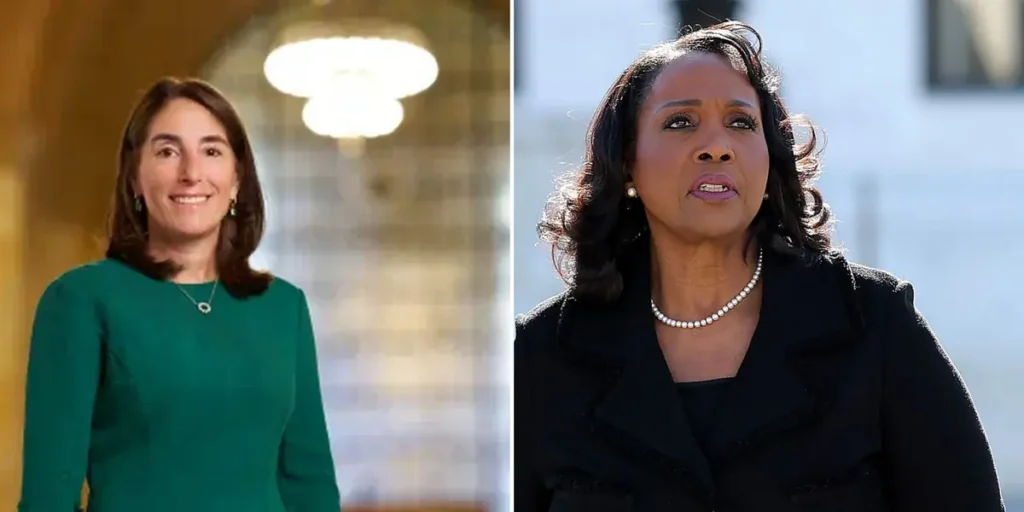
The U.S. Federal Reserve faced internal disagreement on Wednesday as two officials, Federal Reserve Governor Lisa Cook and Cleveland Fed President Beth Hammack, voted to raise interest rates, while the majority decided to keep borrowing costs steady. The Federal Open Market Committee (FOMC) voted 10-2 to maintain the benchmark rate at 3.75% to 4.00%, with Cook and Hammack advocating for a quarter-point increase.
Disagreement Over Inflation Response
The split highlighted differing views on how aggressively the Fed should address persistent inflation, particularly with elevated energy costs and strong economic growth complicating efforts to return to the 2% target. Both dissenters expressed concerns about the risks of prolonged inflation and the need for more aggressive action.
Concerns About Inflationary Pressures
Hammack warned that prolonged inflation could become embedded in the economy, making it harder to control. She emphasized that inflationary pressures were spreading beyond specific sectors and that delayed action could lead to more significant challenges. Cook, on the other hand, focused on the impact of higher energy prices and the rapid expansion of artificial intelligence infrastructure, noting that these factors contributed to ongoing inflationary pressures.
Political and Personal Context
Cook’s dissent also drew attention due to her ongoing legal battle with former President Donald Trump, who has sought to remove her from the Fed over allegations of mortgage fraud. Trump has consistently pushed for lower interest rates, creating a conflict with Cook’s stance. Meanwhile, Fed Chairman Kevin Warsh defended the majority’s decision, arguing that more data was needed to assess the effectiveness of the September rate hike.
Market and Economic Outlook
The Fed’s statement described economic activity as expanding at a strong pace, with domestic spending remaining resilient and the unemployment rate unchanged. This outlook provided policymakers with additional room to raise rates without immediately threatening the Fed’s employment mandate. However, inflation remained above the 2% target, with rising energy prices continuing to burden consumers.
Source: Daily Caller