Florida Rep. Introduces Bill To Ban Warrantless Flock Surveillance
Florida Congressman introduces bill to restrict warrantless use of Flock Safety cameras and ALPR systems.
2 min read
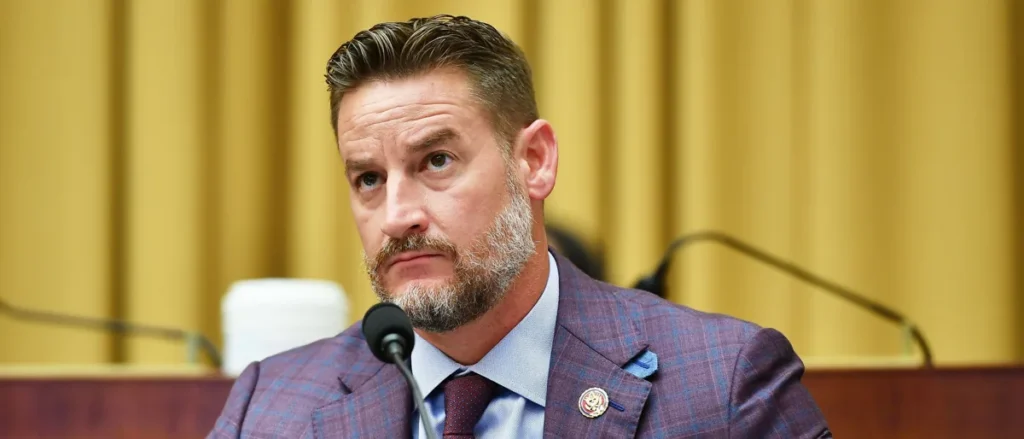
Republican Florida Congressman Greg Steube has introduced legislation to prohibit the federal government from acquiring, operating, or accessing Flock Safety cameras without a judicial warrant, according to the Daily Caller. The bill, titled the Facilitating Liberty and Accountability for Flock Observations (FLAFO) Act, aims to limit warrantless surveillance using automated license plate readers (ALPRs) such as those provided by Flock Safety.
Fourth Amendment Protections
Steube emphasized that the Fourth Amendment is not optional, stating, ‘Americans should not be tracked everywhere they drive without a warrant.’ He argued that Flock Safety’s surveillance network is too expansive and has been misused in several cases across the country.
Concerns Over Misuse and False Accusations
The bill also requires local law enforcement agencies to adopt similar privacy regulations to receive grants from the Department of Justice. Critics of ALPR technology argue that it has evolved into a mass surveillance mechanism, with some systems using artificial intelligence and machine learning to analyze vehicle data.
In one notable case, a Florida woman named Lindsey Isaacs was wrongfully accused of involvement in a deadly car crash based on data from Flock Safety cameras. The cameras falsely connected her vehicle to the incident, leading to her being jailed for over two weeks and placed in solitary confinement for three days. Isaacs described her experience as terrifying, saying, ‘I was facing the possibility of spending the rest of my life in prison for a crash I knew that I had not been involved in.’
Broader Implications of Surveillance Technology
Automated license plate readers were initially used by law enforcement to identify vehicles of interest using locally collected data. However, critics argue that the technology has expanded beyond small-scale use into a more invasive form of surveillance. Instances of misuse or faulty data have led to false arrests and abuse of power, raising significant concerns about privacy and civil liberties.
Source: Daily Caller