House Dem Whip Accuses GOP of Targeting Loan Defaulters Over Tax Cheats
House Minority Whip Katherine Clark criticizes GOP for focusing on student loan defaults rather than tax evasion.

2 min read
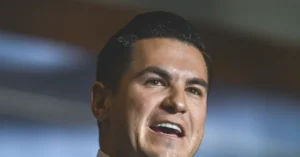
On Thursday’s broadcast of MS NOW’s “The Weeknight,” House Minority Whip Katherine Clark (D-MA) accused the Republican Party of prioritizing individuals who defaulted on student loans over those who evade taxes. Clark emphasized that Republicans are not addressing tax fraud but instead targeting borrowers who have failed to repay their student loans.
Focus on Loan Defaulters, Not Tax Cheats
Clark stated that Republicans are claiming they will continue to manipulate the tax code in favor of the wealthiest individuals. However, she argued that their focus is misplaced, as they are not targeting tax cheats or people who are not paying what they can afford in taxes. Instead, she claimed, the GOP is planning to garnish the wages of those who have defaulted on their student loans.
“Every single day, the Republican Party is telling us they just don’t give a damn,” Clark added, expressing her frustration with the party’s priorities. Her remarks reflect a growing divide between the Democratic and Republican parties over how to address financial responsibility and debt in the United States.
Political Rhetoric and Policy Priorities
The accusation highlights the ongoing debate over fiscal policy and who should be held accountable for financial missteps. While Democrats argue that the focus should be on tax evasion and wealth inequality, Republicans have increasingly turned their attention to student loan debt, which has become a significant issue for many Americans.
Clark’s comments underscore the political strategy of framing issues in a way that resonates with the party’s base. By emphasizing the targeting of loan defaulters, the GOP may be attempting to position itself as the party of fiscal responsibility, even as critics argue that this approach overlooks broader systemic issues like tax evasion and wealth disparity.
Broader Implications for Policy and Public Trust
The debate over who should be targeted for financial accountability reflects larger tensions within the political landscape. As the election cycle progresses, such rhetoric may influence public perception and shape the priorities of both parties. Clark’s criticism suggests that the Democratic Party is concerned about the GOP’s focus on specific financial issues, arguing that this approach may not address the root causes of economic inequality.
As the conversation continues, the focus on student loan defaults and tax evasion may become central to the upcoming midterm elections, influencing how voters perceive the priorities of each political party.
Source: Breitbart