Marquette Polls Missed Trump Three Times in Wisconsin
Marquette University polls underestimated Trump’s support in Wisconsin in 2016, 2020, and 2024, raising questions about accuracy.
2 min read
Marquette University’s polling records in Wisconsin have shown a consistent pattern of underestimating Donald Trump’s support in presidential elections, raising concerns about the reliability of its polling methods. In 2016, Marquette’s final pre-election poll placed Hillary Clinton at 46% and Trump at 40%, yet Trump won the state by about 0.8 points. The gap between Clinton’s polling lead and the actual result was approximately 6.8 points in the Democratic direction, a significant miss in a state decided by fewer than 23,000 votes.
Four years later, Marquette’s poll in 2020 showed Joe Biden at 48% and Trump at 43%, correctly identifying the eventual winner but overstating Biden’s margin by about 4.4 points. In 2024, the university’s latest poll suggested Kamala Harris led Trump 50% to 49%, but historical data shows Trump’s actual margin was closer to 0.9 points, indicating a continued underestimation of his support.
Despite these repeated errors, Marquette’s polling accuracy has improved over time, with smaller margin errors in recent elections. However, the pattern of consistently underestimating Trump’s position has raised questions about the methodology used. Polls measure opinions at the time of the survey, and undecided voters or third-party supporters can shift their preferences after the survey is conducted. This dynamic can lead to discrepancies between pre-election polls and the final results.
Wisconsin Voters Should Be Skeptical
While the record of Marquette’s polling in Wisconsin should not be dismissed outright, it does warrant scrutiny. The repeated inaccuracies in estimating Trump’s support suggest that the likely-voter screen or other methodologies may have missed key segments of the electorate. Questions remain about whether Trump’s supporters were harder to reach, less willing to participate, or if the likely-voter criteria failed to capture individuals who ultimately voted.
These inconsistencies highlight the importance of examining polling data critically, especially in a state where the margin of victory is often narrow. Wisconsin voters should read the latest poll, inspect its assumptions, and remember the university’s track record before placing too much confidence in its findings.
Current Polls and the 2024 Election
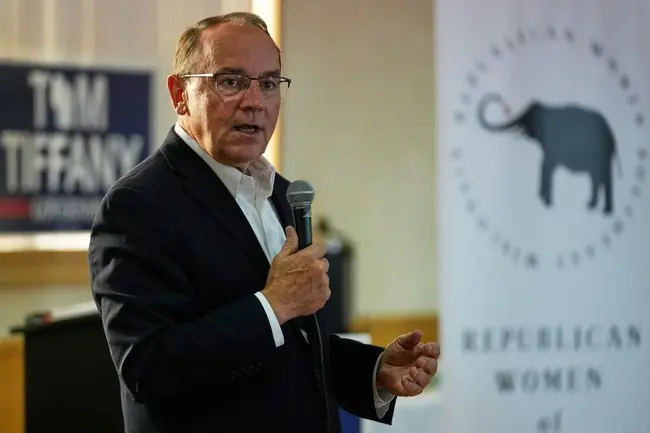
As of the latest Marquette Law School Poll, David Crowley leads Tom Tiffany by seven points among likely voters. While Trump’s historical polling record raises questions about the reliability of these results, they should not be taken as definitive. Each election and candidate requires its own analysis, and the data should be viewed with caution.
Source: PJ Media