South Korea Study: Plastic Straws Less Harmful Than Paper Alternatives
New South Korean study finds plastic straws have lower environmental and health impacts than paper straws.
2 min read
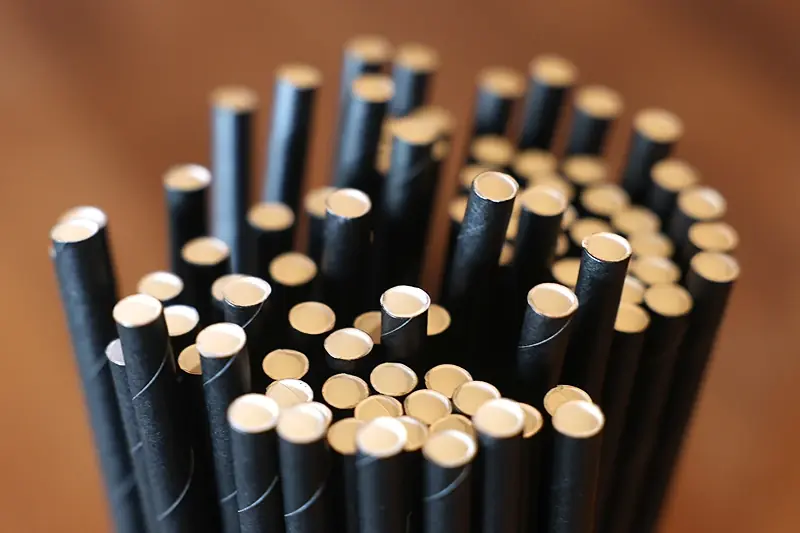
A life-cycle assessment commissioned by South Korea’s Ministry of Climate, Energy and Environment has revealed that conventional plastic straws may be less damaging to the environment and human health overall than their eco-friendly paper counterparts.
The comprehensive report, released publicly by opposition People Power Party lawmaker Kim Wi-sang, evaluated four common single-use straw materials — traditional plastic, paper, biodegradable plastic, and bio-based polyethylene — across 16 distinct categories of environmental and health impact.
Plastic Straws Outperform Paper Alternatives
Unexpectedly, standard plastic straws produced the lowest environmental footprint in 10 of those 16 categories, outperforming eco-friendly alternatives in greenhouse gas emissions, air pollution and climate change contributions, the commission notes.
The findings highlight major hidden ecological costs associated with manufacturing and disposing of paper alternatives. According to the study, paper straws recorded 6.33 times the carcinogenic impact and 2.04 times the acidification impact of traditional plastic straws.
Industrial Processes Increase Environmental Burden
Researchers attribute these elevated scores primarily to the intensive industrial processes required for paper pulp production, as well as the chemical coatings, binders and adhesives necessary to prevent paper straws from dissolving in liquids.
While these metrics measure systemic emissions across the product’s full life cycle rather than immediate toxicity from everyday consumer use, the increased acidification poses risks of degrading soil quality and aquatic ecosystems.
Other Alternatives Perform Poorly
Other popular bio-based alternatives performed similarly poorly when subjected to rigorous cradle-to-grave analysis. Biodegradable plastic straws recorded 1.98 times the acidification footprint and 3.34 times the carcinogenic potential of standard polypropylene straws, while bio-based polyethylene variants demonstrated even higher adverse impact multipliers — reaching 16.18 times the carcinogenic impact and 5.9 times the acidification impact.
Recycling Challenges and Policy Criticism
The study also emphasized practical recycling challenges, pointing out that paper straws are rarely recycled because sorting facilities cannot process their small size or composite adhesive layers. The revelation has reignited intense debate surrounding commercial single-use product regulations and greenwashing across East Asia and internationally.
Lawmaker Kim Wi-sang criticized existing government mandates that urge businesses to adopt paper substitutes, urging officials to acknowledge the policy’s shortfalls and refocus efforts on reducing total disposable consumption rather than swapping materials.
As governments continue searching for viable marine conservation strategies, researchers emphasize that evaluating alternatives purely on ocean durability overlooks the extensive upstream industrial footprint left behind by paper manufacturing.
Source: OANN