Ancient Jewish Ritual Bath Unearthed in Israel, Dates to Jesus’ Time
A 2,000-year-old mikveh, or ritual bath, discovered in Israel offers new insights into biblical history and Jewish practices.
2 min read
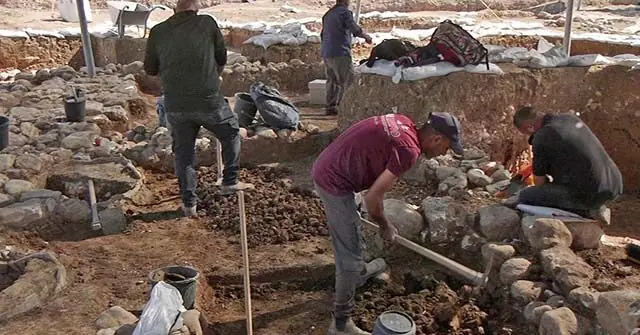
Archaeologists have uncovered a 2,000-year-old Jewish ritual bath, or mikveh, in Israel, dating back to the time of Jesus. The discovery, made in Kiryat Gat, provides a rare glimpse into the religious and cultural practices of the Second Temple Period. The Israel Antiquities Authority (IAA) announced the removal of the artifact in September, ensuring its preservation during the careful excavation process.
A Window into Biblical History
The mikveh, a pool used for ritual purification, was found in an area where evidence suggests a previously unknown Jewish settlement once existed. Weighing approximately 25 tons, the structure was carefully lifted by crane and transported to temporary state storage at Beit Guvrin. Once nearby construction is complete, officials plan to display it in a public space near its original location, allowing the community to engage with this historical find.
According to the Britannica website, a mikveh is a pool of natural water used for ritual purity. The Mishna, the Jewish code of law, outlines detailed requirements for ritually proper water and the quantity needed for cleansing. With the destruction of the Second Temple in AD 70, many of these laws lost their relevance, making the discovery of such an artifact even more significant.
Connecting Past and Present
The bath, dating roughly to the time of Jesus, highlights the religious practices of a Jew living during the Second Temple period. While the Bible does not explicitly mention Jesus using a mikveh, the artifact offers tangible evidence of the customs and beliefs that shaped the era. This discovery brings the biblical world to life, offering a historical context that complements the religious texts.
Author and Christian apologist Dinesh D’Souza emphasized the importance of such finds, stating that biblical archaeology can authenticate the historicity of the Bible, not its theology or miracles, but the events it describes. This artifact serves as a powerful reminder of the deep-rooted traditions and practices that have shaped Jewish history and, by extension, the broader biblical narrative.
Source: Breitbart