Army Prepares for Mass Battlefield Burials After 70 Years
U.S. Army trains for mass battlefield burials, a practice not seen since the Korean War.
2 min read
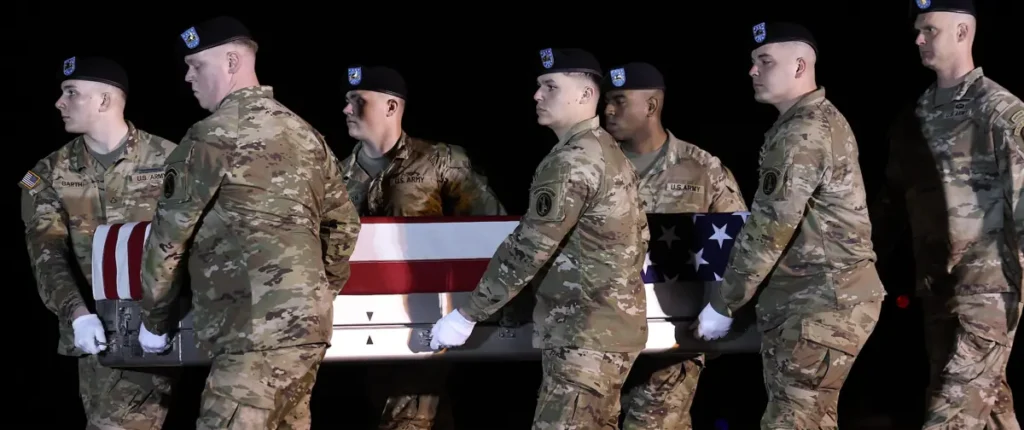
The U.S. Army has begun training for mass battlefield burials, a practice not seen at scale since the Korean War. The training, conducted on October 21 at Fort Bragg, North Carolina, involved engineers, preventative medicine teams, chaplains, and fatality management specialists. The exercise aimed to validate the feasibility of temporary interment in the event of a large-scale conflict.
Training for Future Conflicts
The U.S. Army released a statement on October 22, emphasizing that the exercise was a critical test of concept to ensure modern earthmoving equipment can meet the demanding timeline requirements of a mass-casualty environment. The training brought together a range of specialists to determine how to systematically manage and honor the fallen in high-intensity conflicts.
According to Army Times, these exercises were not common during the past two decades of the War on Terror, as American air superiority allowed for the quick transportation of remains back to the United States. However, in a future conflict without such capabilities, the Army must be prepared for temporary burials.
Respect and Systematic Management
Sgt. 1st Class Delbert Ruede, the senior fatality management non-commissioned officer for the 3rd Corps Sustainment Command, stated that the exercise allowed the Army to take a critical look at how to respect, honor, and systematically manage the fallen in a high-intensity conflict. He emphasized that the training ensures a scientific and field-tested approach to maintain positive control and respectfully care for the deceased.
The U.S. requires the evacuation of human remains during conflict if operations permit. However, mortuary affairs guidance allows for temporary graves when the deceased cannot be safely moved due to safety, lack of transportation, or if the deaths are a result of chemical, biological, radiological, or nuclear weapons.
Preparation for the Unknown
The Army’s training reflects a shift in preparedness, acknowledging that future conflicts may not allow for the same level of logistical support as in the past. The emphasis on temporary burials highlights the need for a structured and respectful approach to managing casualties in scenarios where traditional evacuation methods are not feasible.
Source: Daily Caller