Bosnia Votes Amid Political Tensions and Constitutional Struggles
Bosnia and Herzegovina faces critical elections amid disputes over autonomy and constitutional reform, as political tensions reach a boiling point.
2 min read
Bosnia and Herzegovina is set to hold elections on October 4, with its postwar political order under significant strain. The upcoming vote for the tripartite presidency, national parliament, and regional governments highlights deepening divisions over Republika Srpska’s autonomy, foreign intervention, and the country’s constitutional future.
Complex Electoral Landscape
Over 3.4 million registered voters are eligible to cast their ballots, including for the president and National Assembly of Republika Srpska. The nation, divided since the 1995 Dayton Peace Agreement into Republika Srpska and the Federation of Bosnia and Herzegovina, continues to grapple with the legacy of its post-war political structure. The agreement left substantial authority with the entities while establishing common institutions at the national level.
Political Struggles and Constitutional Challenges
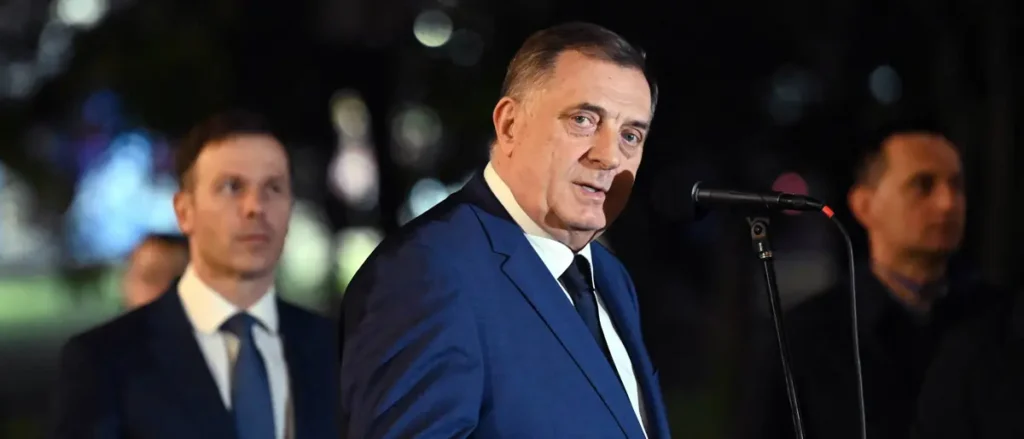
The government of Bosnia and Herzegovina operates under an intricate system of leaders and regional representatives, including three presidents representing Bosnian, Croatian, and Serbian communities. Republika Srpska, in particular, faces a presidential race with four candidates, including current Prime Minister Savo Minić representing the ruling Alliance of Independent Social Democrats (SNSD), led by former President Milorad Dodik.
Opposition candidate Branko Blanuša, president of the Serb Democratic Party (SDS), has garnered significant support from the Republika Srpska opposition. Meanwhile, other candidates include Bogdan Jovanović of the Život party and independent Marko Jorgić. The race for the Serb seat in the three-member presidency involves Željka Cvijanović and Marinko Božović, with Cvijanović aligned with Dodik and the SNSD.
International and Domestic Tensions
International tensions have intensified, with the U.N. High Representative for Bosnia and Herzegovina, Christian Schmidt, unilaterally amending the country’s criminal code in July 2023 to penalize non-compliance with his decisions. This move has been criticized as a direct challenge to the Dayton Peace Agreement, which was designed to protect the autonomy of Republika Srpska.
Obrad Kesić, Bosnia and Herzegovina’s ambassador to the European Union, has accused Schmidt of weaponizing the justice system against Dodik, former President of Republika Srpska, by turning him into a criminal to prevent him from participating in politics. Kesić argued that this process undermined the rule of law and EU democratic values.
Scrutiny of Dodik’s removal has reached Washington, with Republican Rep. Celeste Maloy requesting a review of alleged interference in the democratic process by Schmidt and the Central Election Commission. These developments have sparked broader debates about the EU’s commitment to democratic values and the integrity of Bosnia and Herzegovina’s political system.
Source: Daily Caller