Caregiver Arrested for Embezzling Elder’s Home, Draining Accounts
South Carolina caregiver arrested for exploiting vulnerable elder, draining accounts, and stealing home for $5.
4 min read
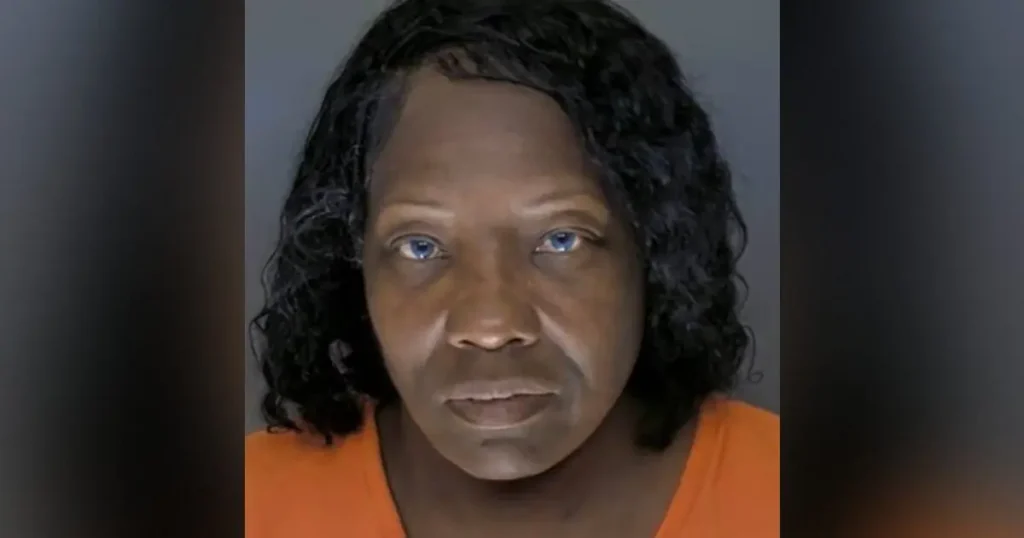
In a shocking case of exploitation, a South Carolina caregiver has been arrested for allegedly taking a vulnerable 75-year-old man’s home for just $5 and draining his bank accounts. The case has sparked outrage and raised serious questions about the oversight of vulnerable adults in the state. The caregiver, Sarah Weaver Smalls, was finally arrested after a two-year investigation, following a series of alarming events that left the victim’s family in a state of shock and despair.
The Exploitation Begins
Robert “Bob” Rowland, a 75-year-old man with Parkinson’s and a brain injury, was classified as a vulnerable adult by the state. He was hired in March 2024 through Griswold Home Care to assist with his daily needs. Within weeks, Smalls quietly moved Bob into a senior living facility, and by April, she had obtained power of attorney over his affairs.
On April 17, 2024, a quitclaim deed was signed transferring Bob’s $300,000 home directly to Smalls for a mere $5. The deed was notarized by a relative of Smalls, raising serious questions about the integrity of the process. The house, valued at $275,000, was transferred without Bob’s knowledge or consent, and the transaction was facilitated through a law office that initially refused to prepare the deed, forcing Smalls to seek an alternative.
Draining the Accounts
Pursuant to the alleged exploitation, Smalls allegedly withdrew over $17,000 in cash and sent money to her Cash App on multiple occasions. Some of these transfers were recorded after Bob had already passed away, indicating a deliberate attempt to conceal the financial misconduct. In May, she allegedly swore on federal housing documents to the Housing Authority of Conway that she had no assets, no real estate, and no cash, while sitting on a free house.
The Daughter’s Desperate Search
Bob’s daughter, Nora Rowland, from Maryland, had been in regular contact with her father, calling him every week. When she stopped hearing from him after Father’s Day, she became deeply concerned. Determined to find out what had happened, she drove hundreds of miles to South Carolina to check on her father. Upon arrival, she found the locks changed and a Ring camera installed at the front door, which raised immediate red flags.
When Nora pressed the doorbell, Smalls answered through the speaker, coldly informing her that her father had died. Desperate to enter the family home, Nora climbed through a window, only to find the house transformed—family photos replaced, walls repainted, and strangers living inside. Instead of answers, Nora was met with handcuffs, as Smalls called the police and accused her of second-degree burglary for entering her deceased father’s home.
Legal Consequences and Charges
Conway police charged Nora with entering the home, but the charges were later dropped. The deed, however, remained in Smalls’ name. The case took two years to come to a head, with neighbors reporting suspicious activity for weeks, noting that Bob “could’ve been talked into just about anything.”
Eventually, law enforcement took action, leading to Smalls’ arrest on charges including Breach of Trust, Filing False Information, and Exploitation of a Vulnerable Adult. Her bond was set at a combined $45,000, which she posted immediately and walked out of the courtroom, free as a bird until her next court date. Meanwhile, Nora is still forced to fight through civil court to get the deed back into her family’s name.
The Broader Implications
This case has sparked a broader conversation about the vulnerabilities of elderly individuals and the need for stricter oversight of caregivers and power-of-attorney processes. The exploitation of Bob Rowland highlights the critical importance of transparency and accountability in elder care, as well as the potential consequences of a broken system that fails to protect the most vulnerable members of society.
Community and Legal Response
Neighbors had been warning authorities for weeks about the suspicious activity surrounding Bob Rowland, indicating a community that was aware of the situation but lacked the power to intervene. The case also highlights the legal challenges faced by families trying to reclaim assets from those who have exploited their loved ones. Nora Rowland’s experience underscores the emotional and legal toll of such cases, as families must navigate complex legal systems to regain control over their loved ones’ possessions.
As the case moves forward, the focus remains on the legal and ethical implications of Smalls’ actions, as well as the broader need for systemic reform to prevent similar cases in the future. The story of Bob Rowland serves as a stark reminder of the importance of vigilance and the need for stronger protections for vulnerable adults in our society.
Source: The Gateway Pundit