Dengue Outbreak Surges in Florida, Officials Warn of Rising Cases
Dengue fever cases surge in Florida, with officials citing heavy rains and standing water as key factors in the outbreak.
2 min read
Three Florida counties, including Hillsborough, have declared local states of emergency as locally acquired cases of dengue fever continue to rise. The Florida Department of Health has reported 190 locally acquired cases so far in 2026 across six counties, 170 of them in Hillsborough. One person has died.
Officials Link Outbreak to Weather and Standing Water
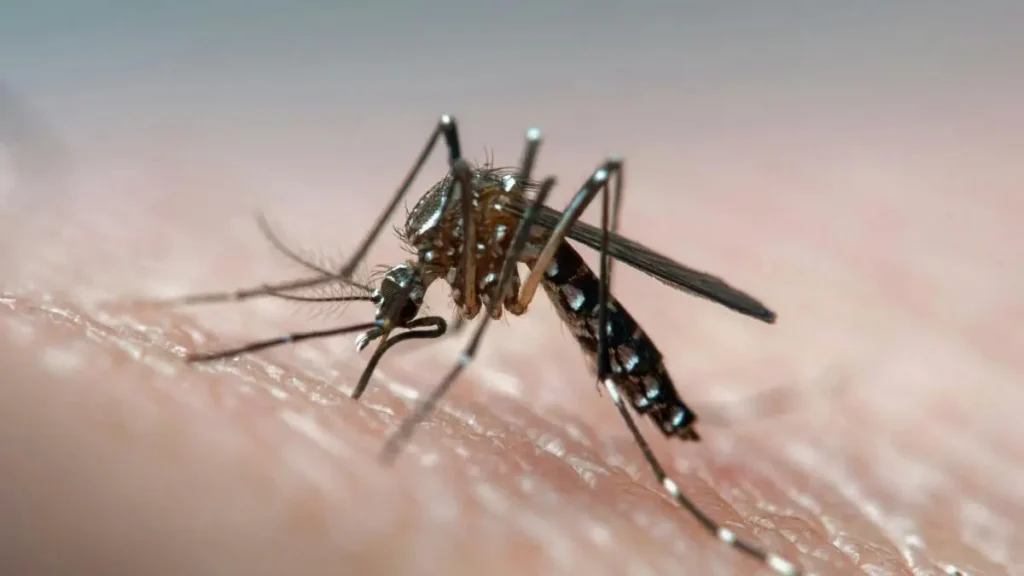
Chris Wilkerson, a spokesperson for Hillsborough County, told the AP that the outbreak is “wildly unusual” for the region. Officials have attributed the surge to heavy rains, which have created standing water, making it easier for Aedes aegypti mosquitoes to breed. Residents have been urged to check their homes and properties regularly, removing standing water to reduce mosquito breeding sites.
Dengue Fever: Symptoms and Transmission
Dengue fever, also known as “breakbone fever,” is typically contracted in tropical regions and is rarely diagnosed in the U.S. without recent travel. The virus is transmitted through the bite of an infected Aedes aegypti mosquito, which is active during the day. Unlike the flu, dengue cannot be transmitted directly from person to person. Those diagnosed are advised to isolate themselves to prevent the spread of the virus.
Public Health Concerns and Expert Predictions
Recent testing of mosquitoes in the affected area has shown no presence of the virus, and females carrying the virus are not passing it to their offspring, offering some hope that the outbreak may resolve on its own. However, experts like Michael von Fricken, a University of Florida associate professor of environmental and global health, suggest that dengue may become a more common occurrence in the region. “I do think it’s going to be somewhat the new normal,” von Fricken said.
Seeking Medical Attention for Severe Symptoms
While most cases of dengue are mild, severe symptoms such as sudden high fever, headaches, rash, and nausea can develop. Patients are warned to seek immediate medical attention if they experience confusion, extreme fatigue, or restlessness, as these could indicate a more serious complication.
Source: Daily Wire