El-Sayed Labels Threat Comparison ‘Dumb’ Amid Iran-Israel Debate
U.S. Senate candidate Abdul El-Sayed avoids direct answer on Iran vs. Israel threat, calling the question ‘dumb’.
2 min read
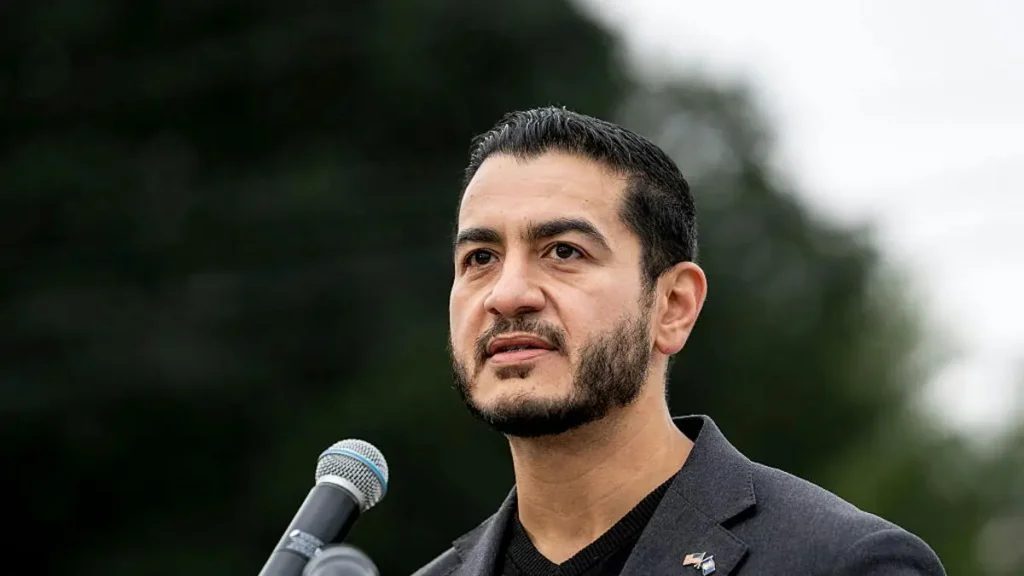
U.S. Senate candidate Abdul El-Sayed (D-MI) faced scrutiny over his evasive response to a question about whether Iran or Israel poses a greater threat to the United States. During an interview with Leland Vittert on “On Balance,” El-Sayed was asked to address a supporter’s claim that Israel was the bigger threat.
El-Sayed Reframes the Conversation
El-Sayed did not directly answer the question, instead attempting to reframe the discussion. He suggested that Iran was only a threat because of Israel’s actions, stating, “We are in the war in Iran, in part, because of the advocacy of the Israeli prime minister.” He argued that the U.S. funding of Israel and the resulting economic impact on American citizens posed a threat to everyday life.
El-Sayed Calls the Question ‘Dumb’
When pressed for a clear answer, El-Sayed labeled the question itself as “dumb,” emphasizing instead the need to focus on public policy. He stated, “The big question is … what is the public policy we really want?” This response sparked criticism from his opponent, former Rep. Mike Rogers (R-MI), who called the answer concerning and noted El-Sayed’s silence on the anniversary of the Oct. 7 attacks.
Political Context and Reactions
Rogers’ criticism highlights the political tension surrounding the issue, as El-Sayed’s campaign faces scrutiny over his stance on foreign policy and its implications for U.S. interests. The debate over Iran and Israel’s roles in regional and global conflicts continues to be a focal point in U.S. political discourse, with candidates navigating complex diplomatic and economic considerations.
Broader Implications
The discussion reflects broader concerns about U.S. foreign policy, the role of military spending, and the impact of international relations on domestic economic conditions. As the election approaches, such debates are shaping the political landscape, with candidates under pressure to articulate clear and coherent positions on critical global issues.
Source: Daily Wire