Israel’s Pager Operation Shatters Hezbollah Network in Dramatic Attack
New documentary reveals how Israel turned Hezbollah’s pagers into weapons, sparking a major shift in the Middle East conflict.
4 min read
Israel’s covert operation to turn Hezbollah’s pagers into explosive devices has become the subject of a new documentary, Paging Hezbollah, which details the intelligence effort that led to a dramatic and unprecedented strike on the Iran-backed terrorist group. The film, directed by Justin Folk, offers a behind-the-scenes look at the years of planning, engineering, and deception that culminated in the September 2024 attack, which saw thousands of Hezbollah operatives across Lebanon and parts of Syria struck by explosions caused by compromised pagers.
Operation Behind the Explosions
The documentary, which features firsthand accounts from Israeli Prime Minister Benjamin Netanyahu and senior intelligence officials, outlines the complex operation that began as a response to Hezbollah’s growing reliance on low-tech communication methods. After its longtime leader, Hassan Nasrallah, warned that cellphones could expose members to Israeli surveillance, the group increasingly turned to pagers and other analog devices. This shift, intended as a security measure, instead created a vulnerability that Israel exploited.
According to the film, the operation was the result of a sophisticated intelligence and supply chain effort, with Israel working to engineer and smuggle compromised devices into Hezbollah’s network. The filmmakers describe the process as a blend of patience, engineering, and deception, emphasizing how the operation was not just a technical feat but also a strategic masterstroke.
Key Figures and Testimonies
The documentary includes interviews with several high-profile figures, including former CIA Director Gen. David Petraeus, who called the operation a “modern-day Trojan horse.” Other participants include Mossad Director David Barnea, former Israeli Ambassador to the United States Michael Oren, former Israeli National Security Council chief Yaakov Nagel, and former U.S. intelligence official and Hezbollah expert Matthew Levitt. The film also features former Israeli intelligence official Sarit Zehavi, who provides insight into the operational execution and decision-making process.
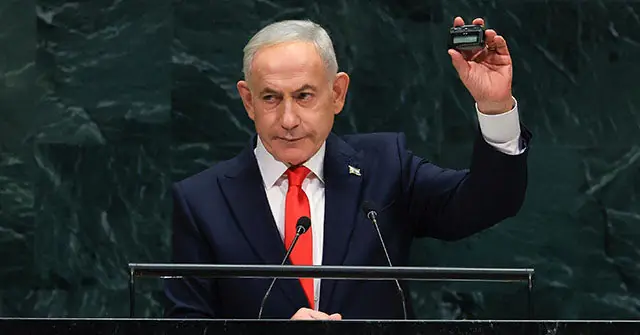
Netanyahu himself appears in the film, offering a powerful account of the operation’s significance. In a speech at the United Nations General Assembly, he held up a pager and reminded world leaders of its impact, stating, “Remember the pagers? Hezbollah sure does.” This moment marked the first public acknowledgment of the operation’s success, which had already begun to reshape the balance of power in the region.
The Aftermath of the Attack
The pager attack, which occurred on September 17, 2024, was followed by a second wave of explosions involving hundreds of handheld radios used by Hezbollah members. The operation’s timing was strategically significant, as it preceded a major escalation in the conflict between Israel and Hezbollah. Just ten days after the pager explosions, Israel launched an airstrike that killed Nasrallah and several other senior commanders, marking a decisive blow to the terrorist organization’s leadership.
In the aftermath, Israel launched a ground operation in southern Lebanon, aiming to push Hezbollah away from the northern border and facilitate the return of tens of thousands of displaced Israelis to their homes. The operation was part of a broader campaign against Hezbollah’s military infrastructure, which had been weakened by the pager attack and the subsequent airstrike.
Broader Context of the Conflict
The documentary places the operation within the wider context of the ongoing conflict, including the October 7, 2023, Hamas attack on Israel. It includes testimony from survivors of that attack and the sister of a victim of Hezbollah’s deadly July 2024 rocket attack on the Druze town of Majdal Shams. These personal accounts underscore the human cost of the conflict and the stakes of the Israeli military campaign.
Netanyahu also frames the operation as part of a larger struggle, stating, “The test of Western civilization is now, in Israel. Because Israel is fighting the forces that will destroy Western civilization and Western freedom.” This rhetoric highlights the geopolitical implications of the operation, positioning it not just as a military action but as a strategic effort to protect Western values from what Israel perceives as existential threats.
Behind the Scenes of the Operation
According to the filmmakers, Paging Hezbollah aims to be a comprehensive record of the operation, detailing how the compromised devices were engineered, marketed, and smuggled into Hezbollah’s network before the attack was activated. Justin Folk, the film’s director, explains that the operation’s complexity and secrecy made it difficult to believe, but the firsthand accounts from intelligence officials and former operatives have made the story both credible and compelling.
The documentary’s release coincides with the operation’s public acknowledgment, as Netanyahu’s speech at the UN General Assembly marked the first time the attack was discussed on a global stage. The film’s release date, October 30, is set to coincide with the public’s growing awareness of the operation’s impact on the region’s security landscape.
Conclusion: A Turning Point in the Conflict
The pager operation has had a profound impact on the conflict between Israel and Hezbollah, disrupting the terrorist group’s communication network and weakening its leadership. The documentary not only chronicles the technical and strategic aspects of the operation but also emphasizes its broader implications for regional security and the future of the Middle East.
As the film prepares for its theatrical release, it stands as a testament to the intelligence and determination of Israeli forces, offering a rare glimpse into the covert operations that have shaped the course of modern warfare.
Source: Breitbart