Judge Orders Sanctions After Immigrant Group Misuses Restricted DOJ Data
Immigrant rights group faces legal consequences after using restricted DOJ data in media reports.
2 min read
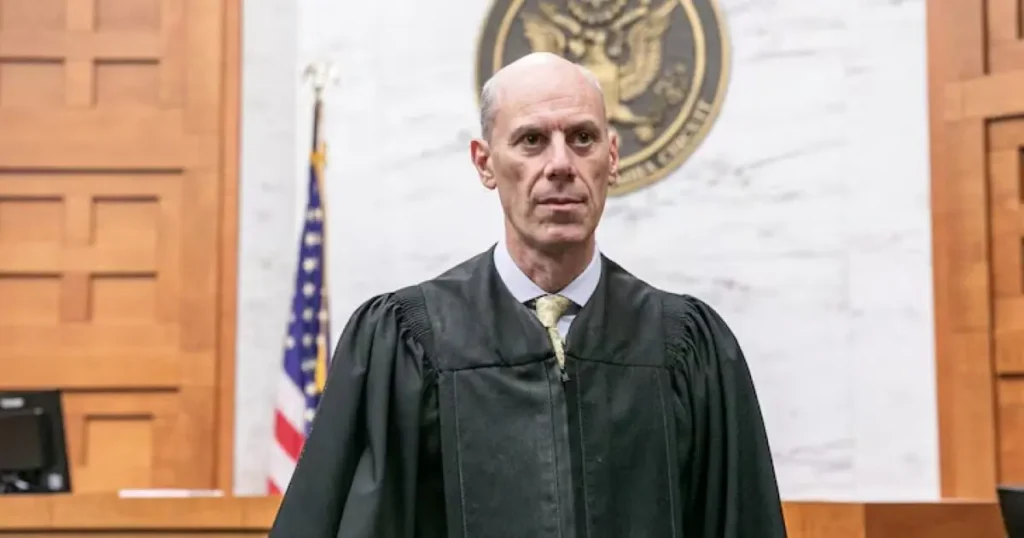
A U.S. District Court judge has ordered sanctions against the Coalition for Humane Immigrant Rights (CHIRLA) after the group allegedly misused restricted data from the Department of Justice (DOJ). The incident began when Judge James E. Boasberg, an Obama appointee, granted CHIRLA and its UCLA Voting Rights Project allies limited access to a list of over 20,000 individuals flagged by federal investigators as likely noncitizens who received mail ballots in California.
Restricted Access and Legal Limits
The court order explicitly stated that the data was for use in standing arguments only. Plaintiffs were prohibited from disclosing names or using the information for broader political or media attacks on the government’s election-integrity efforts. This restriction lasted roughly 24 hours.
Experts’ Analysis Sparks Controversy
On October 30, Boasberg ordered the DOJ to turn over the list by 5 p.m. so CHIRLA could check whether any of its members appeared on it for legal standing in their lawsuit. By Saturday, CHIRLA’s experts, UCLA political scientist Matt Barreto and data scientist Michael Rios, filed a supplemental declaration analyzing the data. Their report claimed that roughly 42% of the names did not appear on California’s current voter file, and that at least 22 individuals on the list were likely naturalized U.S. citizens.
DOJ Challenges Broader Findings
The DOJ responded on November 1, arguing that the experts’ broader analysis of the list’s accuracy, completeness, and statewide impacts had nothing to do with the group’s legal standing and violated the court’s order. The government requested that the court strike the offending portions of the expert declaration, order CHIRLA to show cause for not complying with the order, and consider imposing civil sanctions, including the possibility of dismissing the complaint.
Legal and Media Fallout
The findings quickly appeared in media reports, generating headlines that portrayed the DOJ list as riddled with errors. The DOJ argued that the report was “political grandstanding” with no relevance to the plaintiffs’ standing. Boasberg ordered CHIRLA to respond to the motion by 9 a.m. on November 2. A UCLA Voting Rights Project spokesman stated that the plaintiffs’ counsel and experts fully complied with the court’s orders, but the DOJ’s filing indicates the government views the broader analysis and its rapid appearance in the press as a direct breach.
Source: The Gateway Pundit