Latvians Vote Amid Concerns Over Russian Hybrid Threats
Latvians head to the polls in a critical election amid fears of Russian hybrid attacks and the need for strong defense and economic policies.
2 min read
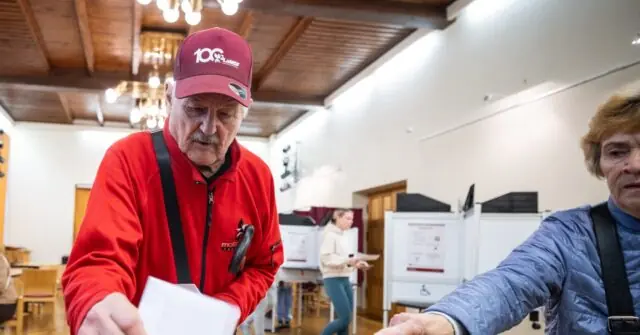
Latvians are casting their votes in a crucial parliamentary election on Saturday, with Prime Minister Andris Kulbergs seeking a full term in office. The vote takes place amid rising concerns about potential Russian aggression, particularly in the context of hybrid warfare tactics that include sabotage, cyberattacks, and disinformation.
Political Shift and Coalition Formation
The election follows a political crisis in May, which saw the collapse of the governing coalition due to tensions over the handling of suspected Ukrainian drones. The parliament, or Saeima, subsequently approved a four-party coalition led by Kulbergs of the centrist United List party, which had previously been in opposition.
Latvia, along with its Baltic neighbors Lithuania and Estonia, remains a strong supporter of Ukraine in its conflict with Russia. The country, which borders both Russia and Belarus, is particularly vulnerable to hybrid threats given its strategic location on NATO’s eastern flank.
Public Sentiment and Election Outlook
Kulbergs, 47, is now seeking his own mandate from voters, emphasizing the need for a strong economy to support national defense. “A strong economy can only bring strong defense, so that is the mission for the next four years if I’m given the right to lead the country,” he said after casting his ballot.
Reinholds Pirags, another voter, expressed hope that the election would result in a coalition that prioritizes national defense and economic stability. “I expect that we’ll vote for parties that will be making nationally correct decisions for the defense and the economy,” he said.
Security Measures and Election Safety
Concerns about Russian hybrid attacks have led NATO to reinforce its protection of Latvian airspace during the election period, with Germany sending four Eurofighter jets to Latvia for about a week. The Latvian State Security Service reported that it has not detected any significant or systematic efforts by Russia or others to influence the election.
With nearly 1.56 million eligible voters, the election is seen as a pivotal moment for Latvia’s political future. The country’s political landscape is fragmented, requiring a multiparty coalition to govern, as parties must secure at least 5% of the vote to gain parliamentary seats.
Source: Breitbart