SCOTUS to Decide if Cooking for Terrorists Counts as Material Support
Supreme Court to weigh whether routine services like cooking for terrorist groups qualify as material support under immigration law.
2 min read
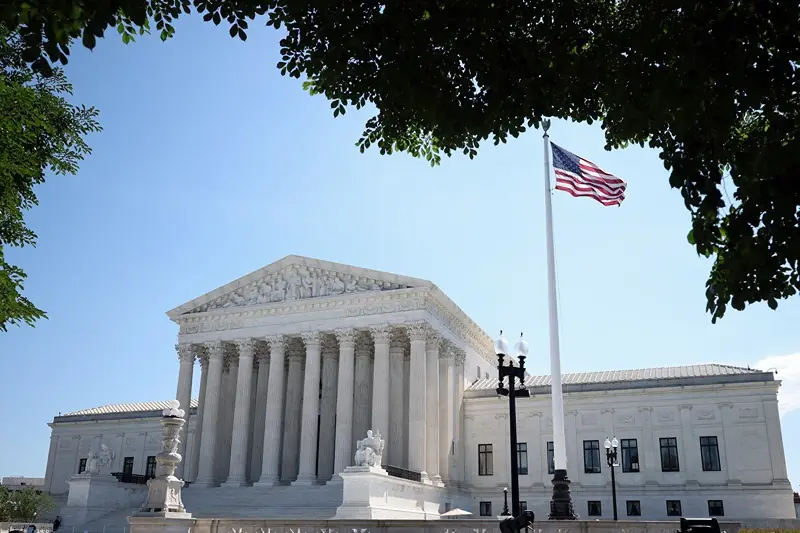
The Supreme Court of the United States (SCOTUS) has agreed to review the case of Blanche v. Ozurumba, which centers on the definition of ‘material support’ for terrorist groups under the Immigration and Nationality Act. The statute outlines examples of such support, including funds, weapons, and communications, but does not provide a clear definition, leaving room for legal interpretation.
The Case: A Nigerian Cook and Asylum Claims
Izuchukwu Ozurumba, a Nigerian national, worked as a cook at a camp run by the ‘Unknown Gunmen,’ a U.S.-designated terrorist group. He later sought asylum in the U.S., claiming the work was ‘forced.’ However, an immigration judge and the Board of Immigration Appeals ruled that his cooking constituted material support, thereby barring him from asylum.
Fourth Circuit Disagrees: A Narrower View
The Fourth Circuit Court of Appeals challenged this ruling, arguing that material support must be substantial enough to aid the organization in its terrorist activities or readily divertible to that use. The court emphasized that routine, day-to-day assistance that merely helps the group function does not qualify as material support.
Federal Government’s Stance: Broad Interpretation
The federal government contends that any tangible support, including food or shelter, counts as material support because it frees resources for the group’s unlawful activities. They argue that the Fourth Circuit’s narrower reading conflicts with other circuits and could hinder the government’s ability to deny immigration benefits in terrorism-related cases.
Legal Precedent and Broader Implications
Although the case arises under immigration law, courts often refer to the parallel criminal statute, 18 U.S.C. § 2339B. In Holder v. Humanitarian Law Project, SCOTUS upheld a broad interpretation of the criminal statute, stating that even nonviolent training or advice to a terrorist group can qualify as material support.
The current case asks SCOTUS to determine how far similar language extends in the immigration context when the support consists of routine services like cooking. The upcoming decision is expected to provide clearer guidance on the scope of the immigration bar and may influence how courts and agencies apply related ‘material support’ concepts in other settings.
Source: OANN