Trump Rejects Iran’s Ceasefire Plan Amid Midterm Election Focus
President Trump rejects Iran’s 7-day ceasefire proposal, citing midterm elections as key factor in U.S. strategy.
2 min read
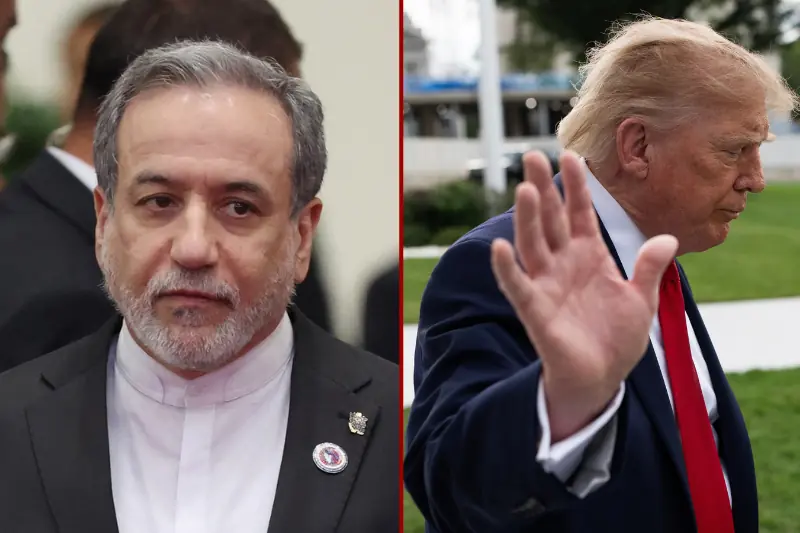
President Donald Trump has reportedly rejected Iran’s seven-day ceasefire proposal, signaling a continued U.S. stance of military pressure rather than diplomatic engagement. According to a report from The Wall Street Journal, citing U.S. officials, Trump has informed aides of his intention to resume strikes on Iran after the November midterm elections. This decision comes amid ongoing tensions over the Strait of Hormuz, a critical maritime route through which millions of barrels of oil pass daily.
Iran Seeks Concessions for Strait Reopening
Tehran has proposed a ceasefire and the reopening of the Strait of Hormuz as part of renewed nuclear negotiations with the U.S. However, Trump has made it clear that the U.S. will not move on the issue until after the midterm elections. Iranian President Masoud Pezeshkian expressed readiness to make a deal with the U.S., stating, “We don’t want it to get to the midterm elections.” Pezeshkian emphasized that a deal should be reached soon after the U.S. elections, as he believes it is in both countries’ interests to avoid prolonged conflict.
Trump’s Public Stance on Iran
Trump’s public statements have also made it clear that he views Iran’s demands as unacceptable. On his Truth Social platform, he shared an image of the Strait of Hormuz, which he renamed the “TRUMP STRAIT,” and reiterated, “IRAN CAN NOT HAVE A NUCLEAR WEAPON!!!” These posts reflect his broader policy stance against Iran’s nuclear ambitions and its regional influence.
Iranian Foreign Minister Calls for U.S. Compliance
Iranian Foreign Minister Abbas Araghchi stated that the decision to reopen the Strait of Hormuz “now rests with the United States.” He argued that the conditions required for the strait’s reopening were already outlined in a June memorandum of understanding (MOU) between the two nations. According to Araghchi, the MOU included a temporary ceasefire and a 60-day negotiation period aimed at reaching a broader agreement on Iran’s nuclear program, sanctions, and freedom of navigation through the strait.
U.S. Officials Remain Unhurried
A U.S. official told NBC News that the Trump administration had engaged in constructive discussions through mediators and that there was no urgent need for an agreement. The official noted, “The United States is in a very strong position with control of the Strait of Hormuz, so we are not in a rush.” The official also highlighted that nearly 40 million barrels of oil had passed through the strait in the previous 48 hours, underscoring its strategic importance.
Source: OANN