Trump’s Ballroom and Independence Arch Signal a New Era of American Architecture
Explore how Trump’s architectural projects reflect a revival of American tradition and identity.
2 min read
As the United States approaches its 250th anniversary, a growing debate is emerging about the future of its architectural and cultural identity. President Donald Trump’s proposed White House ballroom and the Independence Arch have sparked discussions about how the nation should commemorate its history and express its values through public design.
Reviving American Traditions Through Architecture
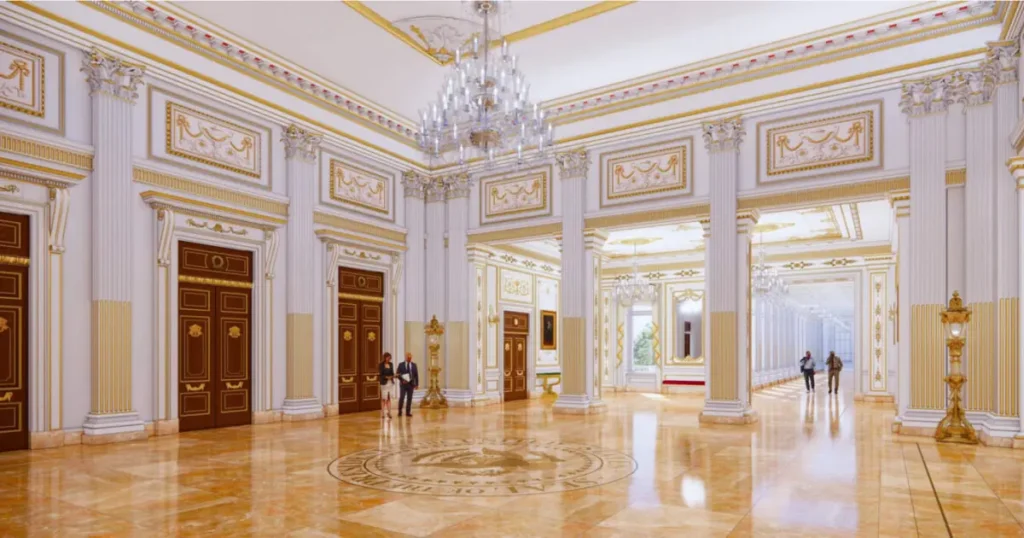
These projects are not merely about aesthetics or functionality; they represent a broader vision of how the United States should engage with its past. The White House ballroom, a privately funded project of approximately $200 million, aims to address a practical need while also symbolizing a commitment to tradition and national identity. The new ballroom, with a capacity for 650 guests, will serve as a venue for diplomatic events and national ceremonies, reinforcing the White House’s role as a symbol of American leadership.
The proposed Independence Arch, drawing inspiration from ancient Roman triumphal arches, seeks to commemorate the 250th anniversary of American independence. This monument would honor the foundational principles of the nation, including the idea that government derives its authority from the consent of the governed. The arch would stand as a physical representation of the nation’s enduring values and collective memory.
Classical Principles in Modern Design
Architectural historian Thomas Jefferson once emphasized the importance of classical design in public spaces. He believed that structures should embody firmness, utility, and beauty—principles rooted in the works of Roman architect Vitruvius. Today, these ideals are being reexamined as a counterpoint to modern architecture that often prioritizes efficiency over tradition.
Trump’s vision for public buildings challenges the notion that beauty and heritage are outdated. Instead, it proposes that architecture should reflect the dignity and continuity of the nation it represents. The White House, as a national symbol, is expected to reflect these values through its design and function.
Public Purpose and Civic Responsibility
While the projects have raised questions about planning and approval processes, they also highlight a deeper civic impulse: to ensure that the achievements of one generation remain visible to the next. The Independence Arch, in particular, would serve as a lasting monument to the nation’s founding principles and the sacrifices that made the American experiment possible.
Ultimately, the central argument is clear: a civilization confident in its future does not abandon its past. The proposed ballroom and arch represent a commitment to honoring the nation’s history while looking forward to its future.
Source: The Gateway Pundit