Tokyo Court Grants Legal Voice Protection in AI Clone Case
Tokyo court recognizes voice as personal property, ruling against unauthorized AI use of voice actor’s sound.
2 min read
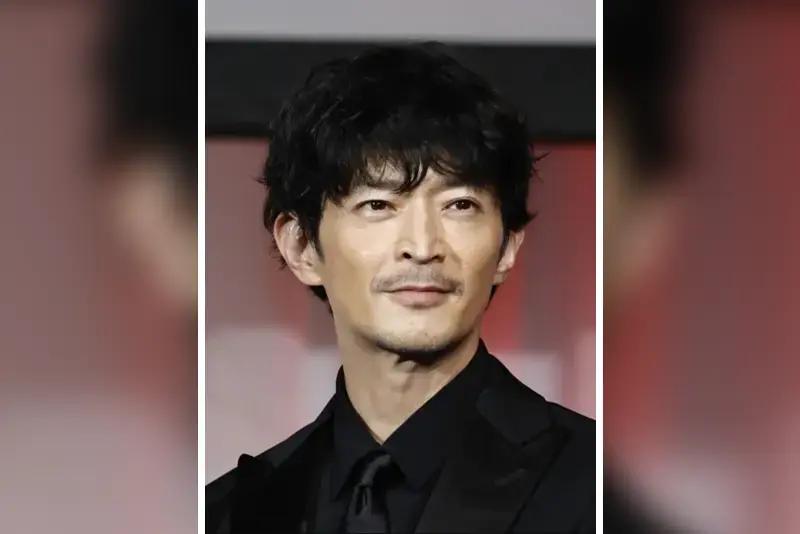
A Tokyo court has granted legal protection to a human voice in a landmark case involving an AI clone of a popular anime voice actor’s baritone. The ruling, delivered by the Tokyo District Court, marks the first time in Japan that the right to one’s voice has been acknowledged in a legal context. The decision was made in response to a lawsuit filed by Kenjiro Tsuda, a well-known voice actor for the anime series Jujutsu Kaisen, who claimed that TikTok’s use of an AI-generated version of his voice without permission violated his rights.
AI Clone Sparks Legal Battle
Tsuda, known for his distinctive and deep voice, sued an anonymous TikTok account operator for using his voice in more than 180 videos about urban legends and paranormal phenomena. The account, which had over 200,000 subscribers as of November 2025, was accused of profiting from the unauthorized use of Tsuda’s voice. The court ruled that the unauthorized use of the voice was an infringement of publicity rights, stating that the human voice is symbolic of individual personality, much like a portrait.
Legal Precedent and Industry Concerns
The ruling comes at a time when Japanese voice actors are increasingly worried about the use of AI-generated voices on social media. The decision could set a precedent for similar cases, particularly in the entertainment industry. In 2024, OpenAI halted the use of one of its ChatGPT voices after Scarlett Johansson raised concerns about its similarity to her own voice. Meanwhile, actors like Michael Caine and Matthew McConaughey have entered agreements with voice-cloning companies to allow their voices to be replicated by AI.
Outcome and Implications
While the court dismissed Tsuda’s demand to delete all videos using his voice, it acknowledged the unauthorized use of his voice as a violation of his rights. The TikTok account in question had already been closed, which led to the dismissal of the demand for deletion. The ruling reflects a growing awareness of the legal and ethical implications of AI voice cloning and highlights the need for clearer regulations in the entertainment and technology sectors.
Source: OANN