Harvard Professor Condemns Bias Against Conservatives on Campus
Audience member shares struggles of hiding conservative views to graduate, Harvard professor responds.
2 min read
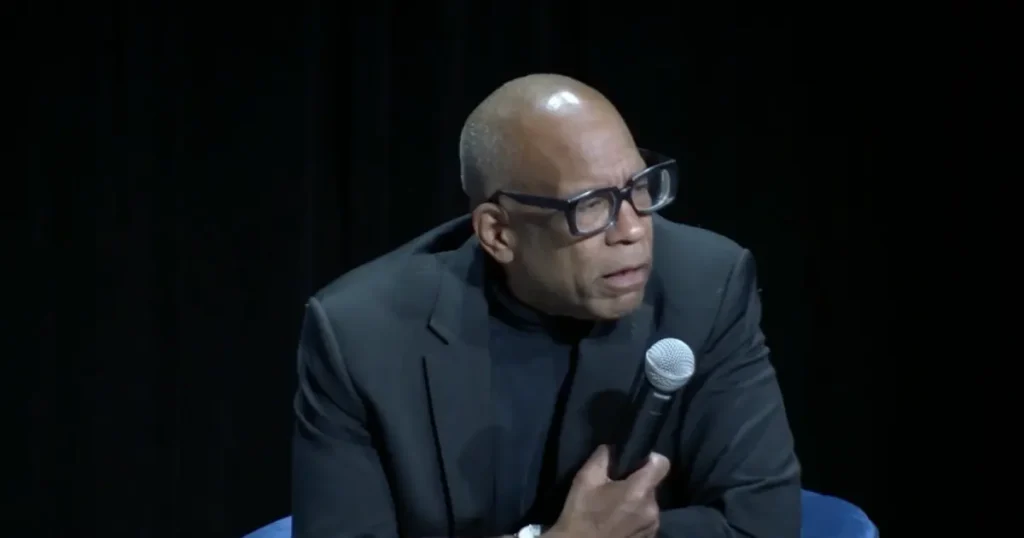
During a recent debate in Boston between conservative podcaster Steven Crowder and Harvard Law professor Randall Kennedy, an audience member shared her experiences of facing discrimination for holding conservative views on campus. The event, titled ‘Change My Mind,’ was the first of its kind against a professor, not a student.
Experiences of Hiding Conservative Beliefs
The audience member, a research scientist working in what she described as ‘the People’s Republic of Cambridge,’ revealed that she had to hide her conservative opinions to avoid discrimination. She shared that she feared being passed over for promotions due to her political views and was even asked about her voting history within days of starting a new job.
She recounted her experience at the University of Southern California, where she had to lie on academic papers to graduate, as professors graded her lower due to her conservative beliefs. She questioned how Kennedy could claim that diversity of thought is important on campus when she and her friends at Harvard had faced similar challenges.
Professor Kennedy Condemns Bias
Kennedy responded by acknowledging that if a professor had marked a student down due to their political beliefs, it was wrong and should be condemned. He emphasized that such discrimination is a bad thing and should be guarded against. The audience member interjected, stating she was not alone in her experience, and Crowder added that this was her lived reality, which is why he wanted to bring attention to the issue.
Kennedy reiterated that he condemns any form of discrimination based on political beliefs, highlighting the importance of protecting academic freedom and ensuring that students are not unfairly judged for their views.
Broader Implications of Campus Bias
The debate brought to light the broader implications of political bias in academic settings, particularly in institutions that have significant influence over the corporate and research worlds. The audience member’s experience underscores the real-world consequences of ideological discrimination, as graduates and professors from such institutions often find themselves in similar situations in their professional careers.
Source: The Gateway Pundit