Rhino Charges SUV in Namibia, Video Shows Terrifying Encounter
A black rhino charged an SUV in Namibia, capturing terrifying footage of the incident. Wildlife guide shares insights on how to avoid such encounters.
3 min read
Wildlife enthusiasts and tourists in Namibia recently witnessed a harrowing encounter between a black rhinoceros and a vehicle, as captured in a video shared by wildlife tour guide Ebot Enow Ebot Agbor Ndip. The incident, which occurred on September 19 at Etosha National Park, highlights the unpredictable nature of these powerful animals and the importance of caution during safaris.
A Terrifying Encounter
The video, taken by Ndip, shows the rhino charging at a parked SUV full of tourists. The footage captures the rhino ramming its head into the passenger side of the car, seemingly intent on causing harm. Despite the apparent severity of the situation, the tourists managed to escape unscathed, with only the vehicle sustaining damage.
According to Ndip, the rhino appeared disoriented, as it had just been released by wildlife authorities. This disorientation may have contributed to its aggressive behavior. Ndip emphasized that the driver of the vehicle may have failed to recognize the warning signs from the animal’s behavior before the attack.
“The rhino appeared to be disoriented, as it had just been released by the wildlife authorities,” Ndip told Storyful. He also noted that other vehicles in the vicinity did not maintain a safe distance, which could have played a role in the incident.
Black Rhinos and Their Behavior
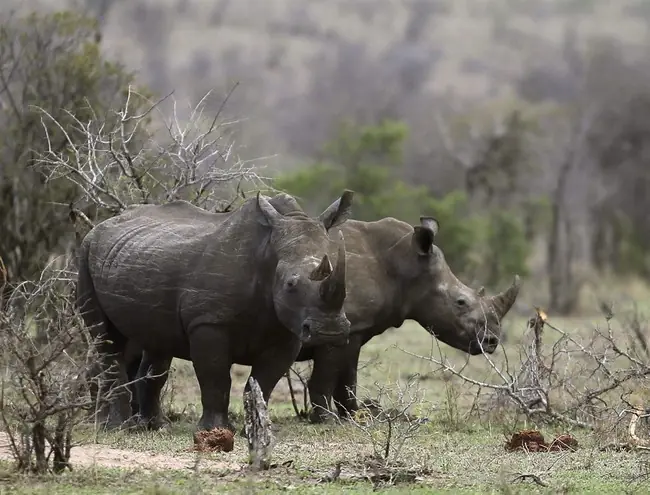
Rhinos, particularly black rhinos, are known for their unpredictable and short-tempered nature. While generally solitary herbivores, black rhinos are among the most aggressive of the five rhino species remaining today. White rhinos, in contrast, are calmer and more social.
The video notes that rhinos have poor eyesight, which can lead to misunderstandings when humans are downwind and silent. In such cases, the rhino may not realize the presence of humans until it’s too late. When surprised or uncertain, these animals often default to charging as a defensive measure.
Black rhinos are also extremely fast, capable of reaching speeds of up to 35 mph. Their two horns, made of keratin, can be devastating when used in an attack. The footage provides a first-person perspective of the danger these animals pose, with their speed and aggression clearly evident.
Other Rhino-Related Incidents
While the incident in Namibia is alarming, it is not the first time rhinos have caused concern. In April, a rhino conservationist named Schoeman van Jaarsveld was fatally gored by a 2,900-pound black rhino while on patrol at the Samara Karoo Reserve. Van Jaarsveld, a 58-year-old anti-poacher, was protecting rare white and black rhinos when the attack occurred.
“The attack was just explosive and Schoeman took the rhino’s horn,” a friend said, according to the New York Post. “The injury was basically untreatable without immediate medical help, which was not available.”
Rhinos are responsible for far fewer human fatalities than hippos, elephants, and crocodiles. Biology Insights states that rhino fatalities are counted in the single digits or low tens per year. In contrast, hippos and elephants are responsible for hundreds of deaths annually.
Importance of Guides and Awareness
Ndip hopes that tourists who visit Namibia’s animal parks without local guides will learn from his video. He emphasized the importance of being aware of animal behavior and maintaining a safe distance, especially in areas where rhinos are known to roam.
“I hope tourists who visit Namibia’s animal parks without local guides will learn from my video,” Ndip said. “It’s important to be aware of the animals’ behavior and to stay safe.”
Conclusion
The incident in Namibia serves as a reminder of the dangers posed by wild animals, even in protected areas. While rhinos are not typically aggressive toward humans, their unpredictable nature and powerful physical attributes make them a significant threat. Tourists and wildlife enthusiasts must remain vigilant and follow guidelines to ensure their safety during safaris and other outdoor activities.
Source: PJ Media