Hurricane Polo becomes Category 5, threatens Southern California
Hurricane Polo intensifies into a Category 5 storm, posing risks to Southern California and Mexico’s coasts.
2 min read
Hurricane Polo has intensified into a Category 5 storm, positioning it among the most powerful Pacific cyclones in recent decades. The storm, now one of the season’s strongest, is moving parallel to Mexico’s southwestern coast and is expected to bring large swells and dangerous surf to Southern California.
According to the National Hurricane Center, Polo has reached maximum sustained winds exceeding 157 mph (253 km/h), placing it in the top tier of the Saffir-Simpson scale. The storm is currently 215 miles (345 km) south of Zihuatanejo, Mexico, and is forecast to move west-northwest over the coming days.
Indirect Impact on U.S. Coasts
Although a direct landfall in the United States is not expected, the storm’s indirect effects could bring large swells and dangerous rip currents to Southern California, including coastal cities like Carlsbad and Laguna Beach. The Los Angeles Times reported that areas in Southern California may face coastal flooding and further erosion from the strong south swells.
Additionally, tropical moisture from the storm could reach the Desert Southwest, bringing potential for heavy rain and flooding in some areas. The National Hurricane Center noted that Polo’s intensity places it among an elite group of rare Pacific storms in recent decades, with 2015’s historic Hurricane Patricia as a notable comparison.
Warnings and Precautions
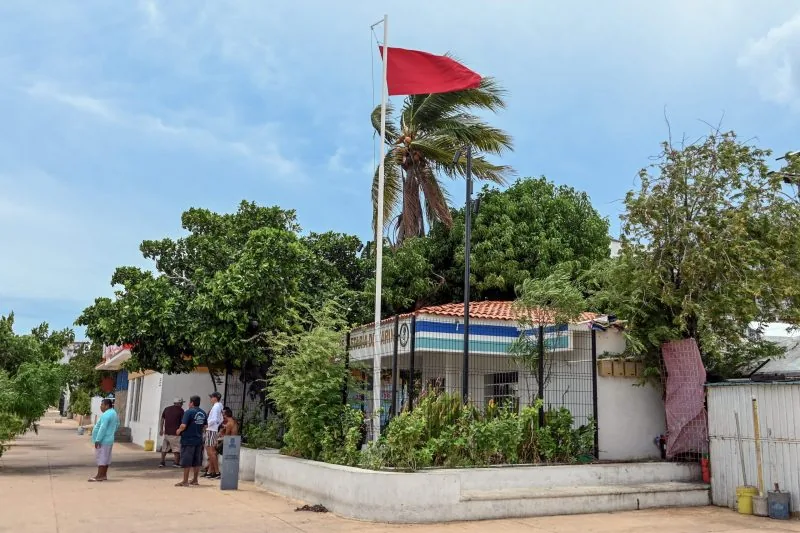
Mexico’s Pacific coast has been placed on high alert as the storm approaches, with authorities in the region already dealing with several major cyclones in recent years. Mexican officials preemptively canceled classes across multiple school districts on Tuesday, according to the Associated Press.
The U.S. Embassy in Mexico issued a weather alert, advising citizens to avoid beaches and water and to follow local guidance. The embassy warned of life-threatening flooding and mudslides, as well as dangerous ocean conditions, including deadly rip currents and rogue waves.
Source: OANN