Trump Calls for H-1B Visa Accountability After Microsoft Suspension
Trump administration suspends Microsoft’s H-1B visa eligibility over alleged worker displacement claims.
2 min read
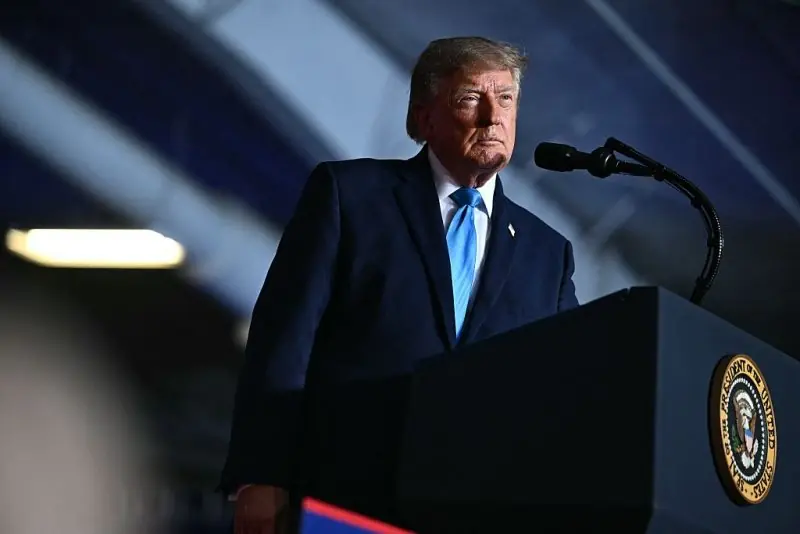
President Donald Trump has called for a full accounting of Microsoft’s use of the H-1B visa program, following the administration’s suspension of the tech giant’s ability to sponsor foreign workers for permanent residency. The move, according to administration officials, is not merely a political stunt but a necessary enforcement of a long-standing labor agreement. An investigation revealed that Microsoft and other companies allegedly used the H-1B visa program to replace American workers with lower-cost foreign labor, undermining the program’s original intent.
A Privilege, Not an Entitlement
The H-1B visa, established in 1990, was designed to fill specialized roles that employers claimed could not be filled by qualified Americans. While companies must promise to pay the prevailing wage, they are largely exempt from testing the domestic labor market, relying instead on trust. However, when firms cut thousands of American jobs while importing thousands of visa holders, that trust is undermined. The government, in such cases, is justified in demanding transparency and accountability.
Microsoft may have a compelling defense, arguing that laid-off employees and visa holders occupy different roles. However, such distinctions are not justification for bypassing scrutiny. The company, given its size, can easily afford to provide the necessary evidence. The cost of compliance is minimal compared to the potential regulatory consequences of non-compliance.
Partisan Concerns and Legislative Efforts
Complaints about H-1B abuse are not new or partisan. For years, Senators Chuck Grassley (R) and Dick Durbin (D) have co-sponsored legislation to tighten the program. However, standard remedies such as fines or warnings are ineffective in curbing the financial benefits of hiring cheaper foreign labor. Green-card sponsorship, a key retention tool for employers, is now being withheld as a deterrent.
The H-1B visa lottery system, which allocates only 85,000 visas annually, fails to consider intent. It cannot distinguish between firms in desperate need of a rare specialist and those seeking a cheaper workforce. Every slot used for wage-saving purposes denies opportunities to hospitals, schools, and startups in genuine need of specialized talent.
Public Trust and Immigration Policy
Public support for legal immigration hinges on the belief that the system is orderly and fair. When corporations shed American jobs while sponsoring foreign hires, voters ask why the government allows it. The answer, often, is that no one checked. Unchecked abuse erodes public trust, which is essential for maintaining an open immigration policy.
Enforcing the rules is not an act of hostility toward immigration; rather, it protects the legitimacy of the system. A sustainable open door requires a fair and transparent process, one that ensures both American workers and immigrants are treated with dignity and fairness.
Source: OANN