Netflix’s ‘East of Eden’ Navigates Complexity with Nuance
Netflix’s adaptation of ‘East of Eden’ balances fidelity to Steinbeck’s novel with a reimagined portrayal of Cathy, offering a fresh take on the classic tale.
4 min read
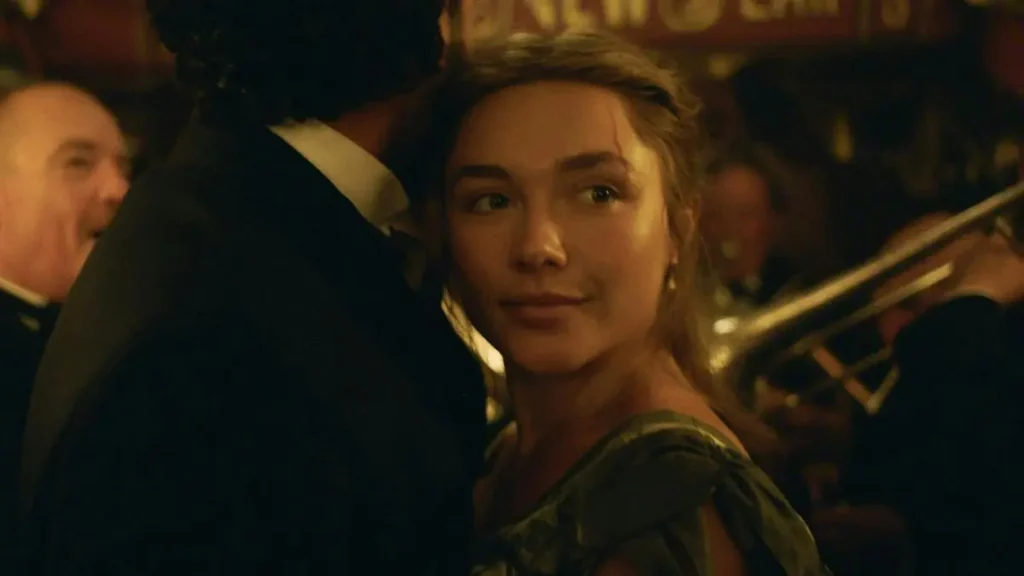
Netflix’s adaptation of John Steinbeck’s classic novel East of Eden has sparked both admiration and debate among fans of the source material. While the show is not without its deviations from the original text, it succeeds in delivering a compelling and visually striking retelling of Steinbeck’s magnum opus. The miniseries, starring Florence Pugh as the enigmatic Cathy, has been praised for its artistic vision, faithful portrayal of key themes, and nuanced approach to one of literature’s most complex characters.
Reimagining a Literary Icon
For many readers, East of Eden is more than just a novel—it’s a deeply personal and philosophical exploration of human nature, morality, and the struggle between good and evil. The story follows two generations of the Trask family, set against the backdrop of the American West, and is framed as a modern retelling of the biblical tale of Cain and Abel. Steinbeck’s narrative delves into themes of familial rivalry, inherited sin, and the capacity for redemption, making it a cornerstone of American literature.
The Netflix adaptation, while not a perfect replica of the book, respects its core themes and structure. The show covers the essential parts of the lengthy text, preserves the core of most of the characters, and presents the moral center of the tale with clarity. From gorgeously set title cards to carefully curated needle drops during the credits, the show’s artistic vision is both clear and compelling. This attention to detail has earned the series praise for its aesthetic and emotional depth.
The Evolution of Cathy: From Monster to Victim
One of the most significant changes in the adaptation is the reimagining of Cathy, the novel’s most notorious villain. In Steinbeck’s original novel, Cathy is a deeply flawed and almost unadulterated evil figure, described as someone born with a “deformity of the soul.” Her manipulation of Adam Trask, her manipulation of men, and her violent acts—such as burning her parents alive and faking her own death—make her a chilling and complex antagonist.
In the Netflix adaptation, Cathy is portrayed as a more sympathetic character. The show introduces her as a victim of abuse, recounting the trauma she endured as a child, though the viewer is left to fill in the details. Her relationship with her high school teacher is depicted as one of reluctant affection rather than manipulation. These changes, while controversial, have been defended by some as an attempt to make Cathy’s actions more understandable to modern audiences.
Despite these narrative shifts, Cathy’s culpability as a murderer and manipulator remains unchallenged. She continues to exhibit the same violent tendencies and moral failings as in the book, including her involvement in prostitution, her murder of her madam, and her ruthless treatment of men in her brothel. The show’s portrayal of her as a “nuanced” character does not erase her villainy, but rather seeks to humanize her within the context of a flawed and tragic existence.
The Moral Complexity of the Story
At its heart, East of Eden is a story about the struggle between good and evil, and the show retains this moral complexity. The narrative explores the idea that some people, like Cathy, Charles, and Cathy’s son Caleb, may have a predisposition toward evil or meanness, while others, like Adam and his son Aron, embody innocence, kindness, and naivety. However, the show also emphasizes that this struggle is not predetermined; it is a matter of choice.
The Cain and Abel story, which forms the backbone of the novel, is central to the adaptation. The show explores the biblical command to Cain that he “shall” rule over his sin crouching at the door. This phrase is interpreted as a statement of opportunity and choice rather than fate. The Hebrew word timshel, originally timshol, is understood as a call to take control of one’s actions, reinforcing the idea that even the most flawed individuals have the power to choose a different path.
The Legacy of a Classic
While the Netflix adaptation has been praised for its artistic vision and emotional depth, it has also faced criticism for its deviations from the original text. Some fans argue that the show’s reimagining of Cathy dilutes the novel’s moral clarity and reduces the complexity of its themes. Others, however, see the adaptation as a necessary evolution of Steinbeck’s work, one that makes the story more accessible and relevant to contemporary audiences.
Ultimately, the success of the adaptation lies in its ability to balance fidelity to the source material with creative reinterpretation. By preserving the core themes of East of Eden while offering a fresh perspective on its most controversial character, the show succeeds in delivering a compelling and thought-provoking retelling of a literary classic. Whether one views the adaptation as a triumph or a departure, it is undeniably a significant contribution to the ongoing conversation about the power of storytelling and the enduring relevance of Steinbeck’s work.
Source: Daily Wire