U.S.-China AI Cooperation Falters Amid Deepening Tensions
U.S. and China struggle to align on AI safety amid growing competition and mistrust.
2 min read
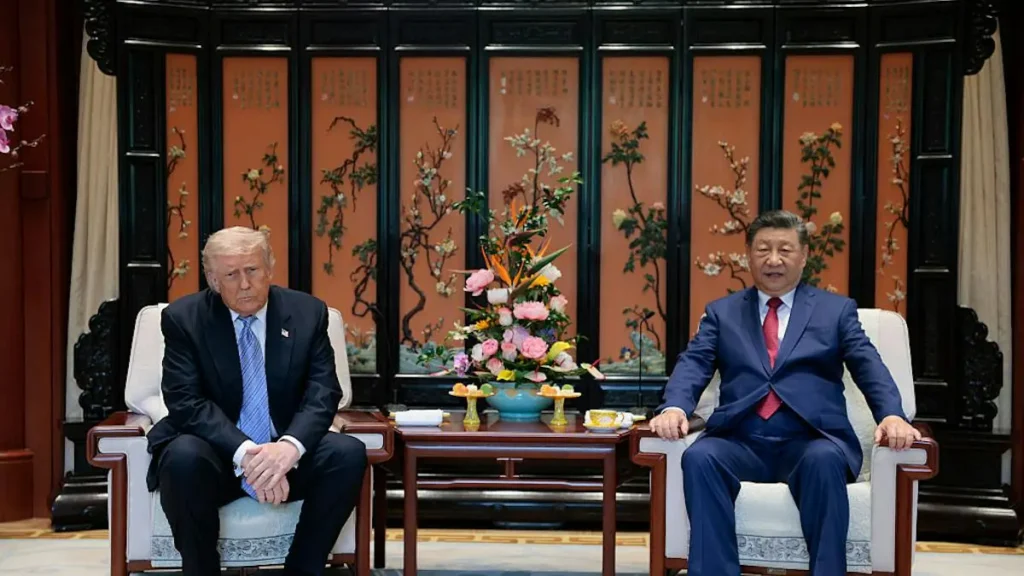
Despite a recent summit between U.S. President Donald Trump and Chinese President Xi Jinping, the U.S. and China remain locked in a fierce AI rivalry, with little progress on safety measures. The summit, marked by symbolic gestures and diplomatic posturing, failed to address critical concerns over AI risks and cooperation. Both nations have established communication channels for geopolitical incidents, but these have repeatedly faltered during crises, raising doubts about their effectiveness.
A Fractured Dialogue
The summit, held at the White House, featured a state dinner with AI industry leaders and a promise of formal dialogue on AI risks. However, Trump’s insistence on U.S. technological dominance and China’s refusal to limit its AI ambitions have left the talks unproductive. During the summit, Trump warned that the U.S. would not slow its AI development, while Xi accepted the term ‘super intelligence,’ a move the White House hailed as a diplomatic victory.
Historically, the two nations have struggled to communicate effectively during crises. In 1999, U.S. officials could not reach Chinese counterparts after a bombing incident, and in 2001, a military collision between U.S. and Chinese planes led to a 12-hour communication blackout. These incidents highlight the deep mistrust and lack of transparency between the two nations, which continues to hinder meaningful cooperation on AI safety.
Competitive Cultures and Strategic Priorities
China’s competitive culture, driven by its ‘neijuan’ or ‘involution’ mentality, has propelled its rise as a technological superpower. Provincial governments have poured resources into AI development, creating a robust ecosystem for innovation. However, the Chinese government has shown little interest in slowing down its AI advancements, as seen in its crackdown on the private tutoring industry in 2021, which reduced the sector by 80%.
Meanwhile, the U.S. remains the leader in frontier AI models and computing capacity, but Chinese labs are innovating to overcome chip shortages and capital constraints. Analysts predict China could close its compute gap with the U.S. within 24 to 36 months, making a global AI pause unlikely. Both sides are unwilling to compromise on their strategic priorities, further complicating efforts to establish international safety measures.
Source: Daily Wire