Three Years Later, Hamas’s Charter Still Defines the Conflict
Hamas’s 1988 charter remains the key to understanding the conflict, three years after October 7.
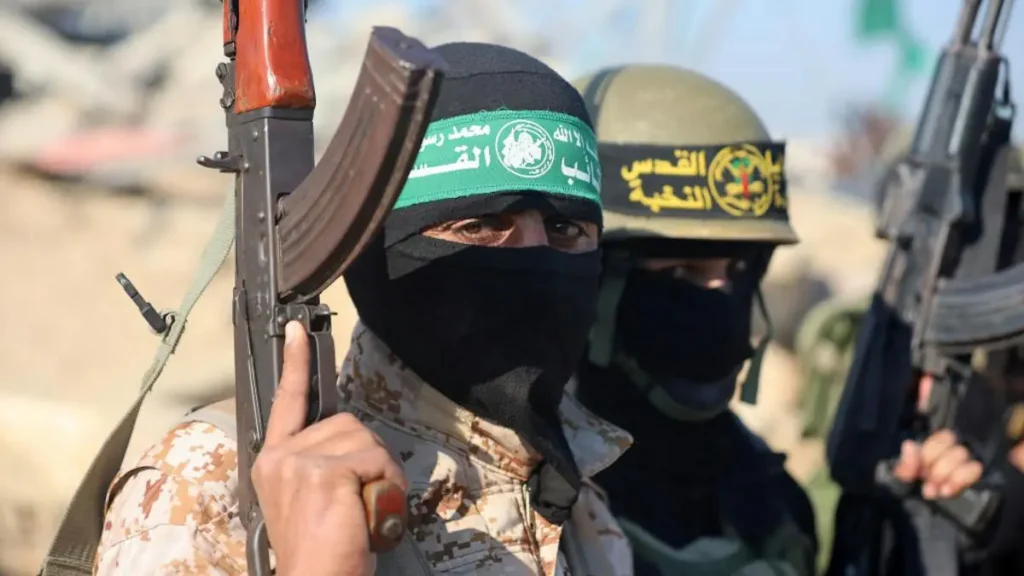
2 min read
Three years have passed since October 7, 2023, when Hamas fighters crossed into Israel, fulfilling the promises outlined in their 1988 founding charter. Despite extensive discussions on ceasefires, hostages, and international law, the document itself has remained a critical yet underexplored source of understanding the conflict. The charter, titled ‘The Islamic Resistance Movement,’ defines Hamas not as a political entity but as an Islamic movement dedicated to the destruction of Israel.
Theology Over Politics
Hamas’s charter explicitly states that its program is rooted in Islam, with the Quran as its constitution and Jihad as its path. The document frames the conflict not as a political dispute but as a religious duty to eliminate the Jewish state. This theological framework, unchanged since 1988, continues to shape Hamas’s actions and rhetoric.
A Cosmic Conflict
The charter quotes Hassan al-Banna, the founder of the Muslim Brotherhood, declaring that Israel will exist until Islam obliterates it. This perspective views the conflict as a cosmic struggle, with Israel’s existence itself seen as an offense to Islamic sovereignty. Hamas explicitly rejects diplomatic solutions, framing the conflict as an armed obligation under Islamic law.
Western Misinterpretation
Western commentators often misinterpret the term ‘jihad’ as a spiritual pursuit, but Hamas views it as an armed struggle against non-Muslim powers. This understanding has led to the classification of Israel and its Western allies as a single target, referred to as the ‘Crusader-Zionist alliance.’ The United States and Israel are seen as part of a shared civilizational enemy, reinforcing the theological justification for continued conflict.
Call to Action
The refusal to acknowledge Hamas’s theological motivations has led to repeated cycles of violence. Understanding the charter is essential to predicting future actions and preventing further tragedies. The hostages taken, families killed, and young lives lost were not the result of a border dispute but of a deeply rooted religious ideology. Three years later, honoring the victims requires more than mourning—it demands a genuine effort to comprehend the principles that continue to drive this conflict.
Source: Daily Wire