Kansas Senate Race Toss Up as Dems Seek First Seat Since FDR
Cook Political Report shifts Kansas Senate race to toss up, signaling potential Democratic breakthrough.
3 min read
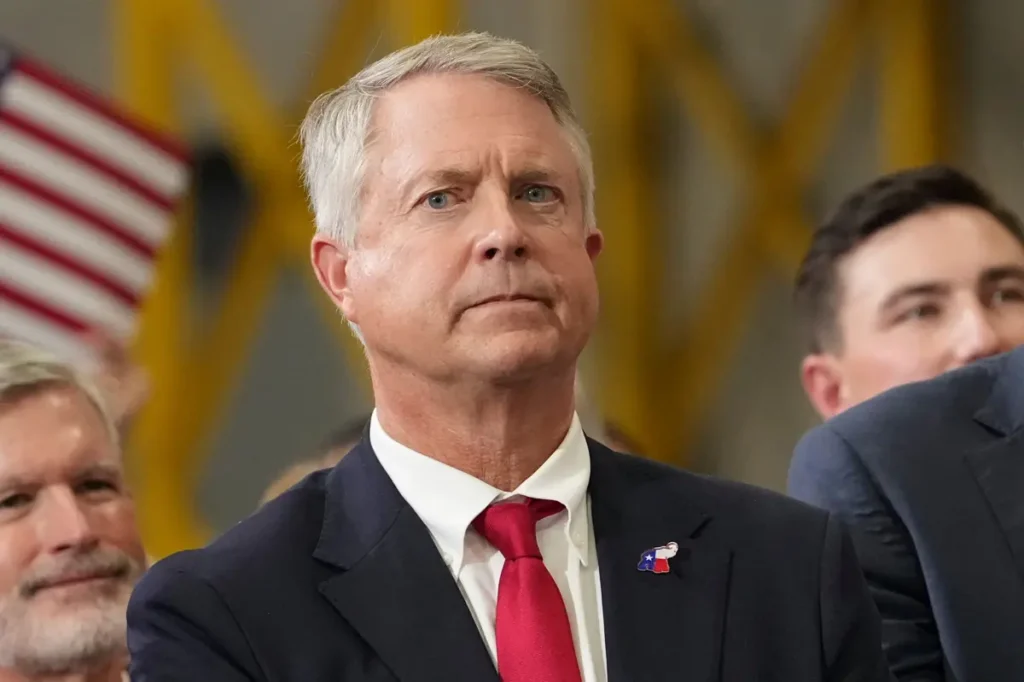
Cook Political Report, a leading election forecaster, shifted the Kansas Senate race Tuesday from leaning Republican to a ‘toss up,’ reflecting a narrowing gap between Republican Sen. Roger Marshall and Democratic candidate Adam Hamilton. As of Sunday, Marshall held only a 0.4% lead, according to the report. This shift comes as Democrats also gained momentum in North Carolina and New Hampshire, with the Senate races moving toward Democratic control.
Historical Context of Kansas Senate Representation
Kansas last elected a Democrat to the Senate in November 1932, when former Democratic Sen. George McGill won reelection. He left office on January 3, 1939, marking the last time a Democrat represented the state. The shift in the current race is significant, as it marks the first time since FDR’s presidency that a Democrat could potentially secure the seat.
Today, The Cook Political Report is moving three Senate races, all towards Democrats. • Kansas from Lean R -> Toss Up • North Carolina from Lean D -> Likely D • New Hampshire from Toss Up -> Lean D Read @JessicaTaylor’s full analysis: https://t.co/V7wrojXhQB
The Republican Party holds control of the attorney general, secretary of state, and both chambers of the state legislature, while the Democratic Party controls the governor’s office. Despite this, the political landscape is shifting, with Democrats making strategic moves in key races.
Controversies and Campaign Dynamics
Marshall faced scrutiny over a report that he sued 700 patients for unpaid medical bills during his time as an OB-GYN, leading to 81 arrests. The unpaid bills ranged from several thousand dollars to as little as $101. Marshall’s campaign did not respond to the Daily Caller News Foundation’s request for comment.
Republican political action committees (PACs) have redirected spending from battleground states like North Carolina and Georgia to Kansas and other red states. The Senate Leadership Fund (SLF), the main GOP super PAC, invested $14 million in an ad campaign during the week of October 5 to defend Marshall.
Ad Spending and Strategic Shifts
Democrats outspent Republicans in general election ad spending in Kansas, with Democrats spending $8.2 million and Republicans spending $7 million, according to AdImpact Politics. The Senate campaign arm paused spending in North Carolina after pouring $32 million into the race between Republican nominee Michael Whatley and former Democratic Gov. Roy Cooper, who led by an average of nine points.
The Senate Leadership Fund also planned to spend $5 million to support South Carolina Sen. Darline Graham, despite polls indicating she could lose to Democratic nominee Annie Andrews. Meanwhile, No Going Back PAC, aligned with former President Donald Trump, has limited ad spending in North Carolina and Georgia, having spent over $163 million on advertising since September 1.
Broader Implications for National Politics
Democrats are in a strong position to take back the House and Senate, with RealClearPolitics’ Generic Congressional Vote showing Democrats at 50.6% and Republicans at 42.3%. More than half of registered voters, 53%, said they would vote for Democrats if the election were currently held, while 41% preferred Republicans, according to a PBS News/NPR/Marist poll from September 23.
Independent voters preferred Democrats by a 25-point margin, and fifteen key House races shifted toward Democrats on September 25. This indicates a growing Democratic advantage in key races, potentially reshaping the political landscape ahead of the midterm elections.
Source: Daily Caller