WNBA Clarifies Eligibility Criteria for Female Athletes
WNBA Commissioner Cathy Engelbert responds to congressional inquiry on gender eligibility in the league.
2 min read
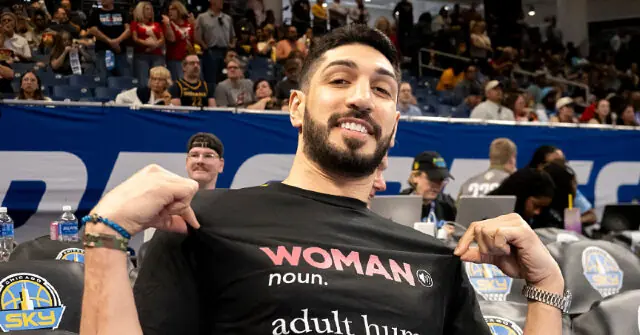
The Women’s National Basketball Association (WNBA) has responded to a congressional inquiry regarding its eligibility criteria for female athletes, stating that only women are allowed to compete in the league. In a letter dated October 16, WNBA Commissioner Cathy Engelbert addressed concerns raised by Republican lawmakers Marlin Stutzman, Andy Biggs, Erin Houchin, and Zach Nunn. The lawmakers had questioned how the WNBA defines ‘women’ under its collective bargaining agreement and why two former NBA players, Enes Kanter Freedom and Royce White, were deemed ineligible for the league.
Eligibility and Definitions
Engelbert’s letter clarified that the WNBA considers only women eligible to play, stating that both Kanter Freedom and White are men. The letter, provided by the America First Policy Institute, emphasized that the league’s criteria are based on biological sex. Kanter Freedom, a former NBA player and current Minnesota Senate candidate, has publicly declared himself transgender and expressed intent to join the WNBA draft. Similarly, Royce White, another former NBA player, has also announced his intention to participate in the WNBA draft, identifying as transgender.
Public Reaction and Debate
Kanter Freedom shared the letter on social media, noting that while the WNBA cannot define what a woman is, it seems certain about what a man is. He questioned the league’s authority to make such determinations and highlighted the debate over identity versus biology. Stutzman, one of the lawmakers, echoed these sentiments, stating that the WNBA’s response was a clear acknowledgment that self-identification does not alter biological sex.
Context and Implications
This response has sparked broader discussions about gender identity in sports and the criteria for eligibility. The WNBA’s stance reinforces its commitment to maintaining a competitive environment for women, but it has also drawn criticism from advocates for transgender athletes. The debate continues as the league navigates the intersection of identity, biology, and sports participation.
Source: Breitbart