Auschwitz Haunts Again: Revisiting the Past Through Band of Brothers
A writer revisits the horrors of Auschwitz through a TV episode, confronting unresolved anger and memories.
2 min read
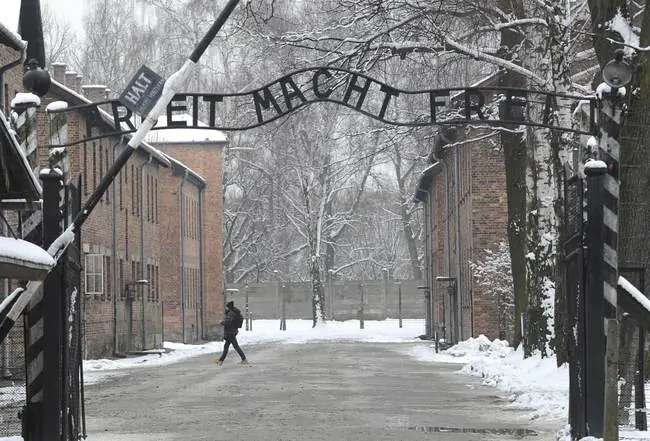
One year after leaving Auschwitz, the memories of the concentration camp still haunt me. A recent rewatch of the acclaimed TV series Band of Brothers brought the past crashing back into the present, igniting a wave of emotions I had thought I had left behind. The episode Why We Fight depicts American soldiers encountering the horrors of Kaufering IV, a subcamp of the Dachau concentration camp system. This encounter, which took place in April 1945, revealed the depths of human cruelty and the inhumanity of the Nazi regime.
A Return to the Site of Horror
As I watched the episode, I found myself transported back to Auschwitz, where I had stood in the barracks and looked at the photographs of people who had once had lives, families, and dreams. The air felt different, almost as if it remembered the suffering that had taken place there. The anger I felt was not just a memory, but a living, breathing emotion that had not faded with time.
The soldiers who entered Kaufering IV had already faced unimaginable hardships. They had jumped into Normandy under heavy fire, fought through Holland, and endured the brutal conditions of Bastogne. Yet, nothing could have prepared them for the horror they encountered at the camp. The sight of the living dead, as described by Aaron Eiferman of the 12th Armored Division, was a stark reminder of the depths of human depravity.
Anger as a Response to Inhumanity
History often becomes sanitized with time, reduced to numbers and dates. But the true impact of events like Auschwitz cannot be measured in statistics alone. It is the personal stories, the individual lives lost, that carry the weight of memory. The author’s experience of standing where the unimaginable happened has deepened their understanding of the need to remember and to feel anger at the injustice that was committed.
Revisiting Why We Fight after a year of returning to the site of the atrocities has allowed the writer to process the emotions that had been buried. The episode, once a fictional portrayal of historical events, now carries a new significance. It is a reminder that the past is not just a collection of facts, but a living part of our collective memory that continues to shape our present and future.
For those who value the importance of remembering and understanding the cost of history, the writer’s journey through the echoes of Auschwitz serves as a powerful testament to the enduring legacy of the past.
Source: PJ Media