Greenland Fishermen Seek to Cull 1,000+ Sharks Over Fishing Losses
Greenland fishermen face a conservation battle over a culling scheme targeting sharks that can live over 400 years.
2 min read
Greenland fishermen are pushing for the culling of over 1,000 sharks, a species that can live more than 400 years and is considered the longest-living vertebrate on Earth. The proposal, backed by a financial incentive of $45 per shark heart, has sparked a heated debate between local fishermen and conservationists.
Conflict Over Shark Culling
While fishermen argue that the sharks damage their equipment and reduce catches, conservationists warn that culling could have irreversible consequences for the species. The Danish government has temporarily banned the practice, citing concerns over the long-term survival of the Greenland shark, which is listed as ‘vulnerable’ by the IUCN.
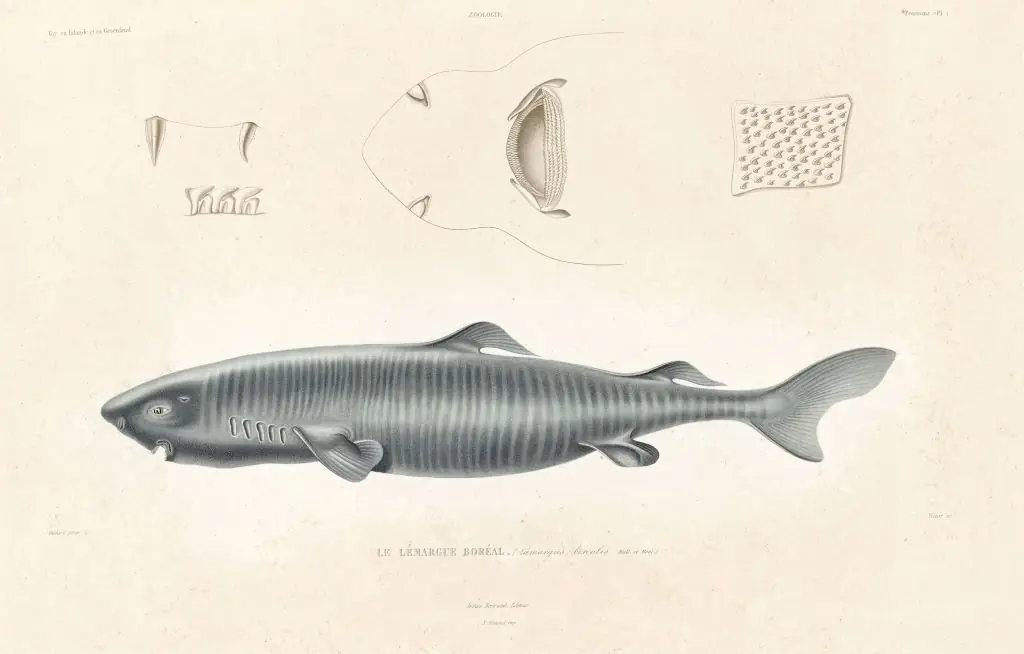
Greenland sharks, which can grow up to 20 feet in length, feed on the same fish that are central to the country’s commercial fishing industry. Fishermen claim that the sharks often get tangled in fishing lines, causing significant financial losses. Henrik Jensen, a 27-year-old fisherman, reported losing around 6,000 hooks this year, with some days costing up to 30,000 Danish krone.
Scientific Concerns and Conservation Efforts
Dr. Julius Nielsen, a Greenland shark expert, emphasized the need for scientific guidance in managing the species. He highlighted that the sharks become sexually mature at 150 years and gestate their young for over a decade, making them highly vulnerable to population decline.
“Initiating a bounty system of this magnitude is a risky path,” Nielsen said. “If this type of management spreads to other Arctic regions, it could have an impact on a population that is likely still recovering from the big commercial harvest in the last century.”
The sharks, which can live as long as 400 years, are also believed to have been born as early as the 1620s, during the Little Ice Age. Their longevity and slow reproduction rate make them particularly sensitive to overexploitation.
Global Conservation Efforts
Greenland sharks are found in the cold coastal waters of Greenland, northern Canada, and parts of Europe, and are known to travel over 1,240 miles annually. Their unique biology and ecological role in the Arctic and deep North Atlantic have made them a focus of global conservation efforts.
Despite the push for culling, the Danish government has so far blocked the proposal, citing the need to protect the species. Conservationists argue that the sharks are an important part of the ecosystem and their decline could have far-reaching consequences for marine life.
Source: Breitbart