Indonesian Christians Face Threats and Bureaucracy in Building Churches
Christians in Indonesia struggle with threats, protests, and red tape to build churches, despite constitutional guarantees of religious freedom.
2 min read
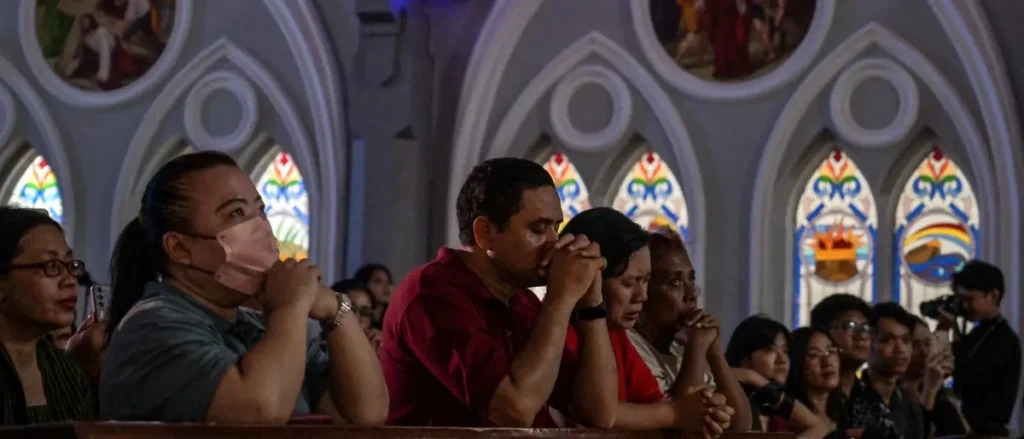
Christians in Indonesia are facing a growing pattern of threats, protests, and bureaucratic hurdles as radical Islamists use administrative obstacles to prevent them from practicing their faith, even in private homes. While religious freedom is guaranteed by law, the process of establishing places of worship has become increasingly difficult, leaving Christians with limited options.
Legal Framework and Bureaucratic Hurdles
The 1945 Constitution of Indonesia guarantees the freedom of worship for all citizens. However, the process of obtaining permits for new places of worship is fraught with challenges. According to Fredrik J. Pinakunary, chairman of the Indonesian Christian Legal Society, the bureaucratic requirements, particularly the need for 60 neighbor signatures and local government approval, have been exploited by hostile groups to block the construction of churches.
Examples of Intimidation and Resistance
Recent incidents highlight the ongoing tensions. In late September, a group of Muslim protesters, including a man wielding a machete, interrupted a prayer service of approximately 40 Christians, warning that “bloodshed will occur inside.” Despite the threats, the protester was not immediately arrested, and instead met with community leaders to offer an apology, though the situation eventually led to the closure of the prayer house.
Impact on Religious Practices
These incidents have forced many Christians to choose between enduring years of bureaucratic red tape or holding small, often vulnerable worship services. In one case, a church construction project was stalled for 15 years despite meeting all requirements, illustrating the systemic challenges faced by religious minorities.
Community and Legal Responses
Pinakunary noted that attempts at mediation often prioritize community peace over constitutional rights, leaving minority congregations vulnerable. In another case, a pastor agreed to suspend worship services after a meeting with community leaders, fearing for his family’s safety. These tactics continue to shape the religious landscape in Indonesia, highlighting the need for reform and protection of religious freedoms.
Source: Daily Caller