South Korea Seeks to Take Wartime Command From U.S.
South Korea aims to assume wartime control of its military, ending decades of U.S. leadership on the Korean Peninsula.
2 min read
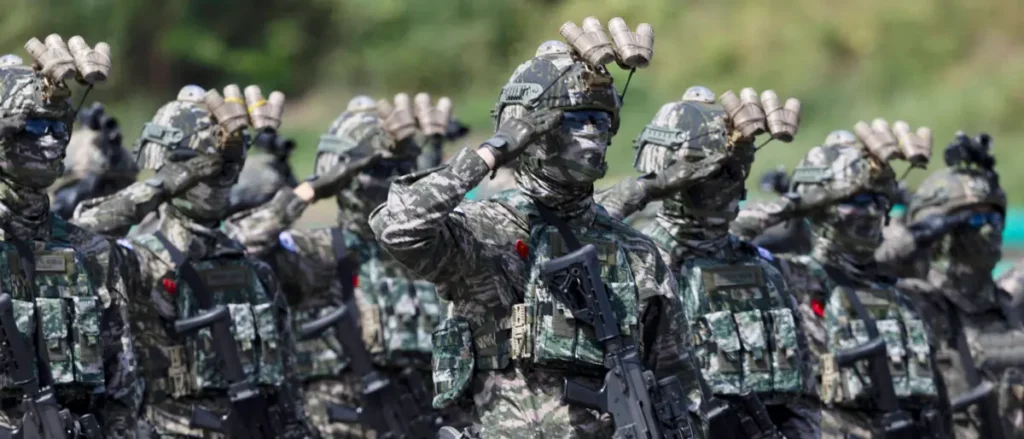
South Korean President Lee Jae Myung has announced his country’s intent to assume wartime operational control (OPCON) of its military, ending decades of U.S. leadership on the Korean Peninsula. According to Yonhap News, Lee declared that South Korea is capable of taking over the command of combined allied military operations during a potential conflict with North Korea.
Shift in Military Leadership
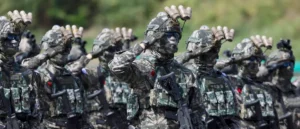
Lee told reporters at the Blue House presidential compound that South Korea should take back wartime operational control as early as possible. The move would place a South Korean commander in charge of military operations, with the U.S. maintaining a role in the alliance but not leading the command.
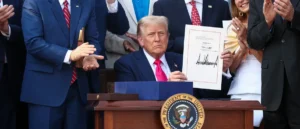
President Donald Trump and Lee have previously discussed the transfer, according to a senior administration official. The U.S. has maintained a consistent policy on wartime OPCON, with the transfer contingent on meeting specific conditions to ensure the safety and security of both South Korean and U.S. forces.
Support and Concerns
Experts have expressed mixed opinions on the proposed shift. Matthew Wallin of the American Security Project argued that South Korea’s well-trained, technologically advanced military is better suited to lead on its own territory. He emphasized that the transfer would not end U.S. involvement in a conflict but would allow South Korea to take greater responsibility for combined defense.
However, Michael O’Hanlon of Brookings cautioned that the U.S. remains the backstop to the alliance, despite South Korea’s progress in modernizing its military. Bruce E. Bechtol Jr. warned that South Korea has not yet met all the necessary readiness and coordination thresholds for the transfer.
Current Military Structure
The U.S.-led Combined Forces Command (CFC) currently coordinates allied military responses to a potential North Korean invasion. The proposed arrangement would reverse leadership roles, placing a South Korean general in command and an American general as deputy. This structure was previously endorsed in a 2018 joint defense agreement.
Despite the proposed transfer, the U.S. military retains its own independent chain of command, with U.S. Forces Korea operating separately from the binational Combined Forces Command. U.S. authorities retain national command responsibilities, ensuring the alliance remains intact.
As North Korea continues to expand its nuclear weapons program and develop advanced ballistic missiles, the shift in command could have significant implications for regional security and military readiness.
Source: Daily Caller