Supreme Court Lets School Censor ‘Let’s Go Brandon’ Slogans
Supreme Court declines to intervene in case where school banned ‘Let’s Go Brandon’ shirts, citing vulgar speech.
2 min read
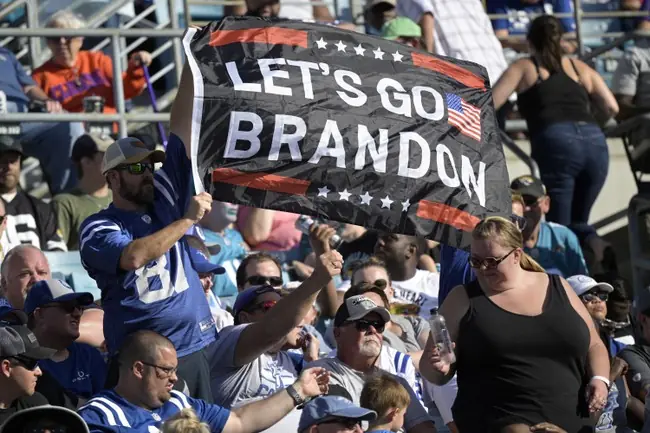
Two Michigan middle-school boys faced backlash from school administrators after wearing sweatshirts with the phrase ‘Let’s Go Brandon,’ which they claimed contained no profanity. Despite the absence of explicit language, the school officials deemed the slogan vulgar and ordered the students to remove the shirts. The Supreme Court has since declined to hear the students’ First Amendment appeal, leaving the ruling in place from the Sixth Circuit Court of Appeals.
Legal Battle Over Political Speech
The case centers around the interpretation of the First Amendment and the extent to which schools can regulate political speech. The school district argued that the phrase, which is a widely recognized critique of President Joe Biden, could be seen as a substitute for profanity. However, the boys’ attorneys contended that the phrase itself contained no swear words or sexual implications, and that its political nature should shield it from censorship.
Lower courts upheld the school’s decision, finding that the slogan’s veiled vulgarity allowed administrators to ban it. The school district cited other instances of students wearing clothing with messages supporting President Donald Trump, arguing that such political speech should not be tolerated in schools.
Supreme Court’s Decision and Its Implications
The Supreme Court’s decision not to intervene has left students in the Sixth Circuit with a new rule allowing school administrators to classify political speech as vulgar if the context is deemed offensive. Judge John Bush dissented, warning that this ruling gives schools excessive power to censor viewpoints they find objectionable.
Bush emphasized that ‘Let’s Go Brandon’ is a nationally recognized political expression that has been used by members of Congress, protesters, and Americans in various forms of media. He argued that the phrase’s political character should protect it from being reclassified as vulgar speech.
Free Speech Concerns and School Policies
The decision has raised concerns about the balance between free speech and school policies. Critics argue that the ruling sets a dangerous precedent, allowing schools to suppress political speech under the guise of maintaining a respectful environment. The case highlights the ongoing debate over the limits of free expression in educational settings and the role of school administrators in regulating student conduct.
As the Supreme Court continues to grapple with issues of free speech, this case underscores the complexity of defining what constitutes vulgar or offensive speech in the context of political expression. The ruling has implications for students across the country, as it expands the authority of school officials to censor political viewpoints they find objectionable.
Source: PJ Media