Tennessee Senator Demands Disbarment Over Secret Subpoena for Senators’ Phone Records
Sen. Bill Hagerty accuses Jack Smith of prosecutorial misconduct and seeks disbarment over secret subpoena for GOP senators’ call logs.
4 min read
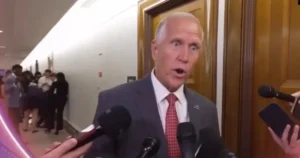
Senator Bill Hagerty (R-TN) has filed a formal complaint with the Tennessee bar, demanding the disbarment of former Special Counsel Jack Smith over a secret subpoena for the phone records of sitting U.S. senators, including Hagerty himself. The complaint alleges that Smith concealed critical facts from a federal judge to justify the covert seizure of call logs, violating constitutional protections and professional ethics.
Secret Subpoena and Nondisclosure Order
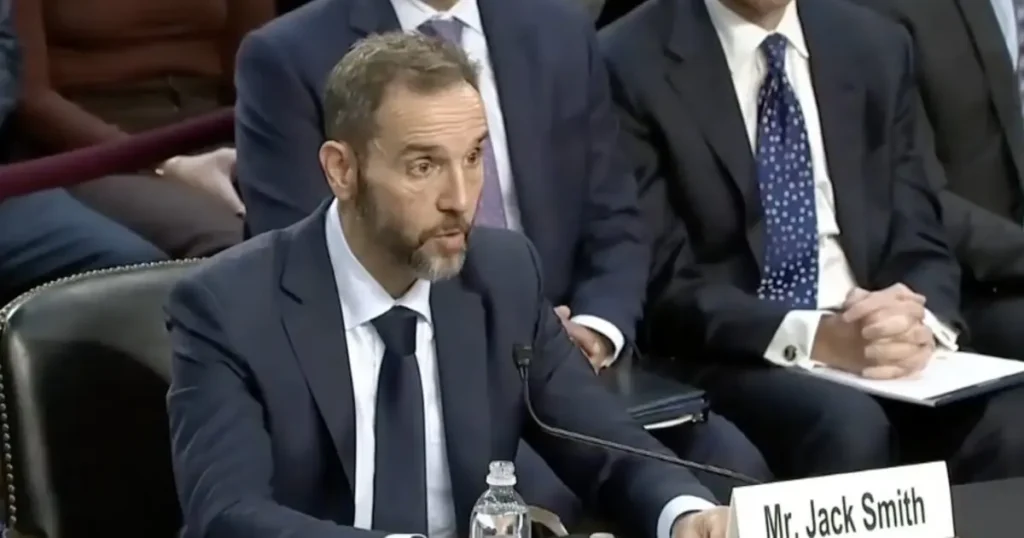
On September 30, 2026, one day after Smith testified before the Senate Judiciary Committee, Hagerty submitted a four-page formal complaint to R. Culver Schmid, chairman of the Board of Professional Responsibility of the Supreme Court of Tennessee. The complaint centers on Smith’s actions as a special counsel in the Biden Justice Department, where he issued a grand jury subpoena to Verizon for non-content telephone records of sitting senators. The records include metadata such as call duration and participants but do not contain the content of the calls.
Attached to the subpoena was a secret nondisclosure order signed by D.C. Chief Judge James Boasberg. This order barred Verizon from informing anyone, including the senators themselves, that the government had requested the data. Hagerty claims that Smith also sent Verizon a letter threatening an obstruction-of-justice charge if the company refused to comply. By the time Hagerty learned of the subpoena, Verizon had already provided the records, and he was denied the opportunity to contest the request in court.
Constitutional and Legal Violations
The core of Hagerty’s complaint is a lack of candor. He argues that the documents Smith presented to Judge Boasberg omitted key facts that would have informed the judge of the nature of the request. Specifically, the records pertained to the senators’ legislative duties, and Smith failed to mention the Speech or Debate Clause, which protects lawmakers from being compelled to disclose their legislative communications. Additionally, the complaint highlights the omission of 2 U.S.C. § 6628, a federal statute that requires phone companies to notify the Senate if they are requested to provide Senate data.
Hagerty contends that Smith’s motion to the court did not include the necessary legal and factual context for the judge to make an informed ruling. He further states that the nondisclosure order itself, which he claims was written by Smith and rubber-stamped by the judge, did not mention the Speech or Debate Clause, the Senate-notification statute, or the fact that the targets were members of Congress.
Smith’s Defense and Hagerty’s Response
Smith, in a deposition response to Sen. Ted Cruz, stated that he believed the nondisclosure order was consistent with Department policy at the time. However, Hagerty dismisses this as an insufficient excuse, arguing that bureaucratic policy cannot override constitutional protections or federal statutes. He also points out that DOJ memos from 2017 and 2022 still required prosecutors to provide the court with enough facts for a case-specific review, which Smith did not fulfill.
Under Tennessee ethics rules, a lawyer in a one-sided, ex parte hearing must disclose all material facts, regardless of whether they are adverse, and flag any legal authority that counters their position. Hagerty asserts that Smith violated Rules of Professional Conduct 3.3(a) and 8.4(c)–(d), which govern candor and dishonesty in legal proceedings.
Disbarment and Legal Consequences
The complaint requests the Tennessee board to pursue disbarment, citing intentional conduct, the lack of an appeal process, the chilling effect on legislative discussions, and the harm to the constitutional order. Hagerty also notes Smith’s “lack of remorse” as a factor. The Tennessee board has not yet responded to the filing, and Smith maintains that his actions were in compliance with the law and existing policies.
I filed a bar complaint against Jack Smith this morning. He’s a blatantly partisan actor and his prosecutorial misconduct damaged our constitutional order. He should never be able to practice law again.
The dispute comes amid broader scrutiny of the Arctic Frost investigation on Capitol Hill. Earlier reports revealed that Hagerty was among eight Republican senators whose phone records were examined during the probe. The Gateway Pundit previously highlighted that Arctic Frost generated 197 subpoenas involving hundreds of Republican individuals and organizations, according to documents released by Senate Judiciary Chairman Chuck Grassley.
Additionally, fellow Tennessee Senator Marsha Blackburn has filed a separate federal lawsuit against Smith over the acquisition of her phone records. Hagerty’s filing now raises a critical question for Tennessee’s lawyer-discipline system: whether Smith’s handling of the secret subpoena and nondisclosure request violated the professional obligations associated with his Tennessee law license.
Broader Implications
The case has sparked significant debate over the balance between national security and individual privacy, as well as the ethical responsibilities of prosecutors in handling sensitive information. Critics argue that the secrecy surrounding the subpoena undermines the transparency and accountability of the legal system, while supporters of Smith’s actions emphasize the need for robust investigative tools in the face of potential threats to national security.
As the legal battle continues, the outcome could set a precedent for how prosecutors handle similar requests in the future, particularly regarding the protection of legislative communications and the disclosure of legal proceedings. The implications extend beyond the immediate case, affecting the broader landscape of legal ethics and the rights of public officials.
Source: The Gateway Pundit