UK to Resettle Afghan and Palestinian Refugees Amid Public Backlash
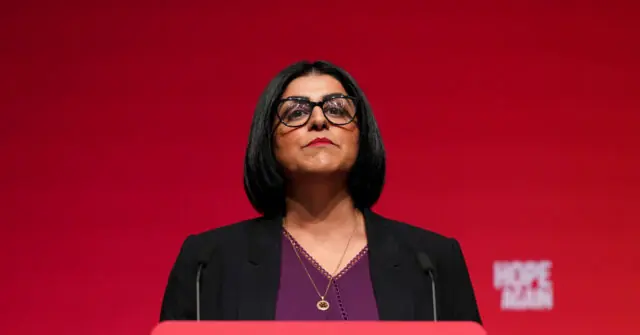
UK Home Secretary Shabana Mahmood announces new resettlement plan for Afghan and Palestinian refugees despite public opposition.
2 min read
British Home Secretary Shabana Mahmood has announced plans to resume the UK Resettlement Route for Afghan and Palestinian asylum seekers, despite strong public opposition to increased immigration. The announcement was made at the Labour Annual Conference in Liverpool, where Mahmood highlighted her efforts to reduce illegal Channel crossings and argued that Britain now has the capacity to open legal routes for vulnerable refugees.
Focus on Women and Girls
Mahmood stated that the scheme will prioritize women and girls from Afghanistan and Palestine, with a focus on those in vulnerable situations. While the government will cap the number of migrants brought in, specific figures were not disclosed. The move has sparked significant controversy, given the long-standing public sentiment against increased immigration.
Public Opposition and Past Concerns
A recent YouGov survey found that 69% of Britons believe immigration has been too high over the past decade, with 43% viewing it as mostly harmful to the country. The government’s ability to properly vet asylum seekers has also been questioned, following reports that a previous Tory government granted asylum to a Hamas leader’s former bodyguard, who allegedly plotted terror attacks in Europe.
Historical Issues with Resettlement Programs
The previous Afghan migrant scheme, known as ARAP, faced criticism after Freedom of Information requests revealed that 28 individuals brought to the UK were later convicted of violent crimes. Additionally, at least one Afghan national was referred to the government’s anti-terror Prevent programme. These incidents have raised serious concerns about the effectiveness of the resettlement process.
Political Reactions and Criticisms
Reform UK leader Nigel Farage condemned the plan, stating that if his party were in power, they would deport those brought in under the Labour scheme. He argued that the public did not vote for the policy and that the government’s actions are illegitimate without a mandate. Zia Yusuf, Reform UK’s Shadow Home Secretary, echoed these sentiments, emphasizing that the scheme is not supported by the electorate.
Controversial Comparisons and Data
Professor Matt Goodwin, a Reform UK supporter, argued that Britain should not take in Palestinian refugees, citing the Netherlands’ experience in 1992. Data from the Dutch government showed that 204 out of 321 Palestinian refugees were later convicted of crimes, with many of their children also committing offenses. These statistics have fueled debates about the potential risks of resettling refugees from conflict zones.
Source: Breitbart