Darkness in Stories: A Christian Perspective on Horror
Christian storytellers explore the role of darkness in fiction, aligning with biblical themes of light and redemption.
4 min read
Darkness and fear in wholesome storytelling.
As a Christian and a storyteller, I regularly find myself in conversations about appropriate uses of darkness, terror, and violence in stories. At times, I’m fielding questions about my own books from anxious mothers. At others, the conversation is with creators — filmmakers or novelists — normally aiming to strike a healthy (and commercially viable) balance in their work. And, of course, there is also a type of male reader or viewer who tends to bring up the topic with bedrock loyalty to all things dark and grim, the more horrific, the better. I’ve had variations of this conversation for two decades now, and I don’t expect them to stop any time soon. So, how should Christian creators and consumers handle darkness in storytelling?
Aligning with Biblical Themes
Earlier this week, Allie Beth Stuckey took a shot at horror and scary stories. Bees in the hive, formerly known as Twitter, began to buzz, and my phone and inbox heard all about it. After all, I don’t just write scary stories; I write scary stories for children (ages 8-80). Surely, I must be offended? No. Of course not.
The thing is, despite the inadequate framing of her initial post, I suspect Allie Beth and I would quickly find ourselves on the same page because we share a common standard. I want to do what pleases God in this (and every) area. She wants to do the same. Any disagreement would come down to answering that simple but oh-so-complicated question: What pleases God?
The Role of Darkness in Christian Storytelling
As Bible-believing Christians, we share a common answer key that we can consult. Nonbelievers would pursue this conversation very differently. And…they likely don’t believe in Hell.
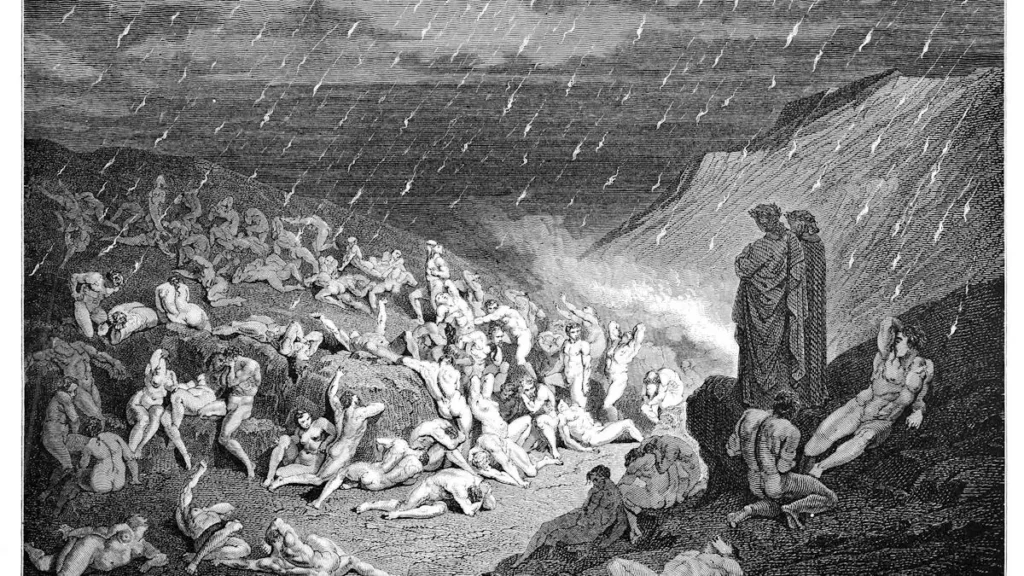
Which is a great place to start. Hell and its horrors are very much a part of the Christian story. In the gospel of Luke, Christ even uses the horrors of Hell in a fictional parable. And this is the center of the entire question. God is an Artist and an Author. His stories (history and nature) reveal His personality and tastes differently than special revelation (scripture), but all of it tells us about Him. And Christians should be eager to look to Him as our standard for things like this. In a nutshell, we should use darkness in stories the same way He does. But the same goes for how we use the Light.
Examples of Darkness in Faithful Storytelling
I’ll take it a flight of steps farther. Christian storytellers who keep darkness out of their stories are all liars and cowards and often blasphemers to boot (when handling Bible stories).
Example 1: Try to tell the story of Easter but cut the horrors of the crucifixion. All you’ve done is neuter Christ’s Triumph. You’ve drained the power and the catharsis.
Example 2: Tell the story of Noah’s flood but leave out how horrible the entire world had become. Without the darkness, all you’ve done is cast God as the great overreactor in the sky. Emphasize the darkness, and the story becomes one of grace, redemption, and deliverance, foretelling a new creation.
Example 3: Cut all the horrors of Egyptian slavery from the story of the Exodus. Cut the Angel of Death. Whoops. You just cut Passover. You’ve cut salvation. But at least it’s not scary now.
Darkness as Part of the Human Experience
Here’s the truth. We are all mortal characters in a narrative world loaded up with very real stakes. Whatever the blood baggers in Silicon Valley might think, every single one of us is going to die. Which means every single one of us will have a death scene. Dark. Scary even.
Narrative creatures need narrative food. As part of our design, we have the ability to be deeply affected by vicarious and completely fictional experiences, given to us like meals for our imaginations by storytellers. Stories really are soul food. For good or ill, the stories we consume catechize our imaginations and shape our loves and loyalties, our hates and aversions. They shape our instincts and desires in our own lives. They make us better (or worse) characters.
We are all mortal characters who will struggle, suffer, and face the darkness. We need food for the journey, and that food should be honest.
Conclusion: The Purpose of Storytelling
None of this is intended to defend gleeful horror fans who have a love for demons, gore, and slaughter. That disposition is as out of alignment with God’s storytelling as an evangelical housewife banning “The Quiet Place” and pushing “VeggieTales” on her adolescent son.
In God’s storytelling, darkness always glorifies the triumph of light.
My goal, and what I believe should be the goal of every Christian storyteller, is to feed readers and viewers stories that will leave them more equipped to live as great characters in their own moments and scenes.
If a movie is harming you, turn it off. If a book is planting unhealthy desires, loyalties, or impulses, chuck it. But stories with darkness in its proper place will only make you stronger.
Source: Daily Wire