NYC Bans Horse-Drawn Carriages After 150 Years
New York City bans horse-drawn carriages, sparking debate over safety and livelihoods.
1 min read
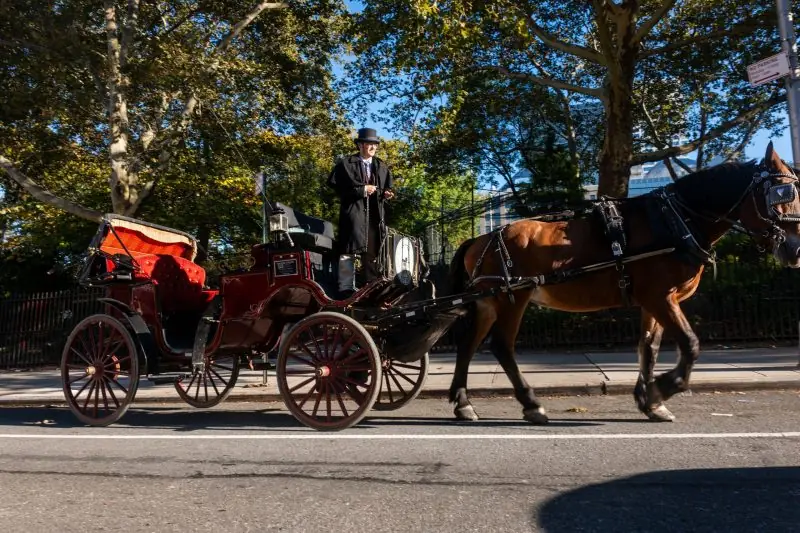
New York City has moved to ban horse-drawn carriages, ending a tradition that has spanned over 150 years. The ban, which passed with a veto-proof 40–7 vote, will take effect on June 1, 2028, marking the end of an iconic New York experience.
Political Reasons Behind the Ban
President Donald Trump cited ‘political reasons’ in a Truth Social post, lamenting the loss of the beloved carriage rides. ‘The Horse-drawn Carriage in New York City is a quintessential New York experience. So sad that, for political reasons, we will see it go!’ he wrote.
Safety and Animal Welfare Concerns
The decision was driven by safety concerns, particularly following reports of animal welfare issues. Horses have been known to collapse during long hours in sweltering heat, and the incident that sparked public outrage was the tragic death of 18-year-old tourist Romanch Mahajan when his family’s carriage horse bolted.
Industry Opposition and Legal Challenges
Carriage drivers and owners have strongly opposed the ban, arguing that it lacks financial compensation and fails to address the livelihoods of those affected. ‘This bill is a train wreck of constitutional and due process violations,’ said John Samuelsen, president of the Transport Workers Union.
Questions of Fairness and Hypocrisy
Carriage workers have questioned the fairness of the decision, especially given past support for taxi medallion owners. Atakan Aktay, a longtime carriage driver, criticized Mayor Zohran Mamdani for what he called a hypocritical stance. ‘Where is that same compassion for us?’ Aktay asked.
Legal Action and Future Implications
Carriage industry workers have pledged to sue over the ban, focusing on its lack of financial compensation and vague promises of job training. The decision marks a significant shift in urban transportation policy and highlights the ongoing tension between tradition, safety, and economic impact.
Source: OANN