Defense Lawyer Demands Juror’s Phone Records in Murder Trial
Lindsay Clancy’s lawyer seeks phone records of a holdout juror, sparking debate over jury privacy.
2 min read
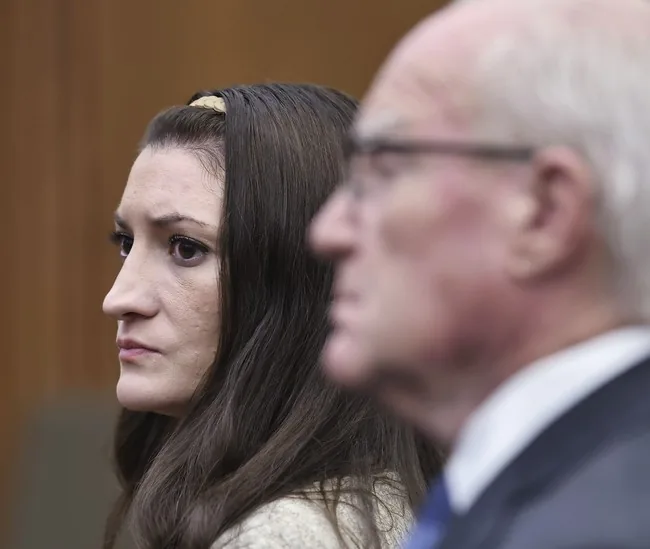
During the trial of Lindsay Clancy, accused of murdering her three children, a Massachusetts jury deadlocked, leading to a mistrial. The defense team, led by attorney Kevin Reddington, is now seeking to investigate one of the jurors, Michael Desronvil, who refused to convict Clancy. Reddington has requested that Judge William Sullivan examine Desronvil’s phone records and possibly confiscate his device.
Jury Dispute Over Phone Use
Clancy’s defense argued that she was not guilty by reason of insanity due to postpartum psychosis. Prosecutors, however, highlighted her premeditated actions, including planning the murders and manipulating her husband’s schedule. The jury’s deadlock resulted in a mistrial, with Desronvil being the lone holdout.
Reddington’s motion claims Desronvil provided inaccurate answers during jury selection and used his phone during deliberations. He has requested that Desronvil’s phone carrier provide call and text records for the duration of the deliberations and that the phone be handed over to a neutral examiner. This has raised concerns about the privacy of jurors and the implications of such a request.
Juror Speaks Out Against Allegations
Ray Marcel, a spokesperson for Desronvil, has responded to the allegations, stating that other jurors also used their phones during deliberations. Marcel claimed that the jury instructions allowed for such behavior and that the judge only intervened after some jurors had already used their devices. He also alleged that jurors posted about the case on social media and discussed it with friends.
Marcel argued that if Desronvil’s phone records are being sought, then all jurors’ records should be examined. He emphasized that the current request singles out Desronvil and sets a dangerous precedent for future jurors.
The court rules in Massachusetts permit jurors to keep their phones but prohibit their use during the trial and deliberations. Judges can confiscate phones before deliberations, but there is no evidence that Judge Sullivan did so in this case. The issue of phone use during deliberations has now become a focal point of the trial’s aftermath.
Implications for Juror Privacy
The situation has sparked a broader debate about the balance between judicial oversight and individual privacy. Reddington’s focus on Desronvil’s phone records has raised questions about the fairness and transparency of the judicial process. If Sullivan grants the request, it could send a clear message to future jurors that their private communications may be scrutinized if they vote against the defense’s interests.
Source: PJ Media