Supreme Court to Decide Fate of 150-Year-Old Home Distilling Ban
Supreme Court agrees to review a Reconstruction-era law banning home distilling. Legal battle over federal power and tax enforcement.
2 min read
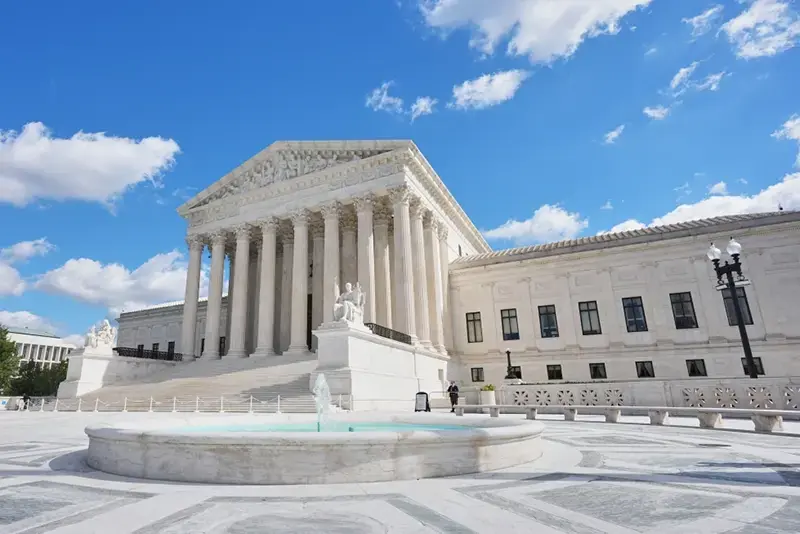
The U.S. Supreme Court has agreed to review a historic legal question: whether Congress had the constitutional authority to ban home distilling over 150 years ago. The case, rooted in a Reconstruction-era law, pits federal regulatory power against individual freedoms, with the Court set to determine if the law remains valid under current constitutional standards.
Legal Clash Over Federal Power
Plaintiffs argue that the 1868 law, which prohibits distilling spirits in private homes, is an outdated relic of Reconstruction politics. They claim Congress overstepped its authority by using taxation powers to enforce the ban, which they say was designed to target commercial distillers rather than private citizens.
Government attorneys, however, maintain that the law was enacted to prevent tax evasion and ensure federal oversight of alcohol production. They warn that lifting the ban could undermine congressional authority and set a dangerous precedent for regulating other private activities.
Conflicting Court Decisions Spark Supreme Court Review
Two federal circuit courts issued conflicting rulings in April, with the Sixth Circuit upholding the ban and the Fifth Circuit striking it down. The Supreme Court has chosen to review the Fifth Circuit’s decision, which aligns with the Justice Department’s preference.
Plaintiffs’ attorney Robert Alt expressed optimism, calling the case a pivotal moment in American history. He argued that home distilling, a practice even George Washington engaged in, should not be a federal crime.
Broader Implications for Federal Regulation
Attorneys for the plaintiffs argue that the case raises fundamental questions about the scope of federal power, including whether Congress can regulate a wide range of private activities under the guise of taxation. They warn that the outcome could reshape the balance of power between the federal government and individual rights.
The Justice Department, meanwhile, emphasized that the law was designed to combat tax evasion and that its restrictions were based on years of experience with illegal distilling. They urged the Court to avoid addressing the broader question of location restrictions on home distilling, which they say is not central to the case.
Source: OANN