DRC Logs 8,000+ Ebola Cases Amid Violence and Displacement
Ebola outbreak in DRC hits 8,000 cases as violence and displacement worsen containment efforts.
2 min read
Authorities in the Democratic Republic of Congo (DRC) have documented over 8,000 confirmed cases of the Bundibugyo strain of Ebola since the outbreak was identified in May, with nearly half of the cases resulting in fatalities. The World Health Organization (WHO) confirmed the outbreak in May, with the strain being less common than the Zaire and Sudan strains, which have available treatments and vaccines. Despite efforts to contain the disease, the situation remains dire due to ongoing violence and displacement in the region.
Challenges in Containment
Health workers face significant challenges in containing the outbreak, including widespread distrust of humanitarian efforts and traditional burial practices that contribute to the spread of the virus. The WHO reported that as of Monday, 8,067 cases have been confirmed, with 3,901 deaths, resulting in a fatality rate of about 48 percent. The outbreak remains centered in Ituri province, but cases in neighboring North Kivu are rising rapidly.
Impact of Displacement and Violence
The mass displacement of thousands of people due to conflict and violence has further complicated efforts to trace contacts of confirmed cases. In one displaced persons camp, 19,000 people face ongoing threats and violence. The UN warned that the movement of displaced individuals and restricted access to sites could hinder disease surveillance. Over 1.1 million people are displaced in Ituri province, with over 373,000 living in displacement sites.
Attacks on Health Workers
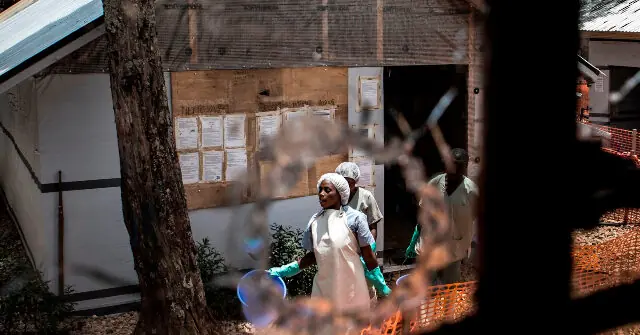
Healthcare workers have also faced rampant mistrust and attacks from communities. Mob violence against Ebola clinics and medical staff has been a persistent issue. Recently, a senior member of the ruling Union for Democracy and Social Progress (UDPS) party was beaten to death after encouraging precautions to contain the spread of the disease. The incident highlights the growing hostility toward health workers.
Struggles in Healthcare
Frontline doctors and medical staff are struggling with inadequate resources and safety concerns. A Congolese doctors’ organization confirmed the death of Dr. Victor Kingombe, a frontline doctor, after exposure to Ebola patients. The doctors criticized the lack of trained personnel, water, cleaning products, and personal protective equipment (PPE) at treatment centers. Calls for an independent investigation into the circumstances of Dr. Kingombe’s death have been made by local media.
Government Response and Other Health Threats
The Congolese Ministry of Public Health claimed an ‘overall favorable development’ in containing the disease, citing successful contact tracing and the absence of new cases in certain areas. However, reports indicate that North Kivu and other neighboring provinces are still experiencing significant increases in cases. In addition to tracking Ebola, the ministry is also monitoring a rise in malaria cases, which is endemic to the region and spreads through mosquitoes, making it more challenging to control.
Source: Breitbart