Biden Judge Blocks DHS Voter Fraud Investigations Ahead of Midterms
Federal judge blocks DHS field operations targeting potential noncitizen voters in key states ahead of November 2026 midterms.
4 min read
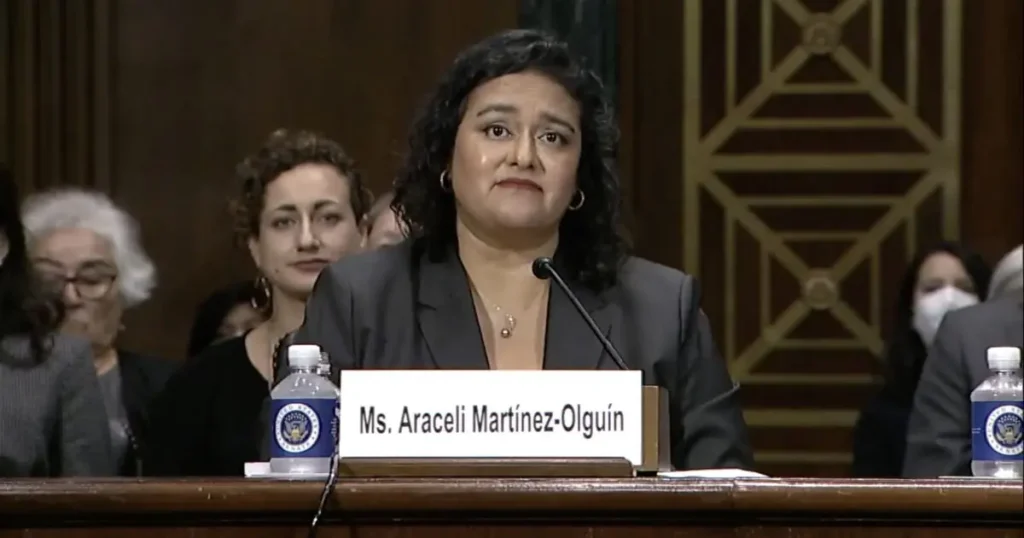
A federal judge appointed by President Joe Biden has issued a preliminary injunction blocking key aspects of the Department of Homeland Security’s (DHS) efforts to investigate potential noncitizen voting under the Trump Administration’s Unlawful Voter Initiative and Surge Initiative Guidance. The order, issued by U.S. District Judge Araceli Martínez-Olguín on October 21, 2026, temporarily halts field operations and interviews in nine states—California, Connecticut, Georgia, Missouri, Nevada, New York, Pennsylvania, Washington, and Wisconsin—when those operations involve or are likely to involve individuals suspected of being U.S. citizens.
Legal Context and Background
The injunction, issued in the case California Nurses Association et al. v. Markwayne Mullin et al., is set to remain in effect until November 3, 2026—Election Day—but is stayed until 5:00 p.m. on Friday, October 23, allowing the administration time to seek appellate relief. Plaintiffs were ordered to post a nominal $100 bond. The court’s own factual background highlights the Trump Administration’s prioritization of voter fraud enforcement. In June 2026, DHS General Counsel directed ICE to pursue stricter penalties, including deportation, against noncitizens believed to have improperly registered or voted, whether or not criminally convicted.
In August 2026, DHS launched the Unlawful Voter Initiative, directing USCIS to generate target lists for investigation related to improper voting and coordinate with HSI field offices for interrogations. The Surge Initiative Guidance, issued on August 31, directed HSI agents to prioritize field investigations questioning people about voter eligibility in the nine listed states. Implementation involved what plaintiffs described as the Voter Eligibility Matching Policy, which compiled and refined target lists from state/local data, commercial databases, and other sources via systems like iLab, and the Field Operations Policy, which increased deployment for interviews and investigations, timed around registration and early voting.
Challenges and Concerns Raised by Plaintiffs
The order notes that initial target list data was “voluminous and unreliable,” including tens of millions of records from independent sources of “questionable provenance,” official state voter rolls (or commercial versions for non-sharing states), and enrichment processes. USCIS personnel were instructed to treat source data as presumptively valid, seek to exclude U.S. citizens, and complete rapid reviews with Surge quotas of at least 40 suspected subject reviews and limits around 12 minutes per elimination using commercial databases.
Errors from similar names, incomplete records, outdated citizenship information, and clerical issues were acknowledged, and there is no comprehensive federal database of citizenship status for U.S. residents. The policy specifically targeted naturalized citizens in some cases where data suggested voting before naturalization. Plaintiffs, including the California Nurses Association and National Nurses United, the City and County of San Francisco, the County of Santa Clara, and Voto Latino Foundation, sued under the Voting Rights Act (Section 11(b) on intimidation of voters and those assisting/mobilizing voters), the constitutional right to vote, and the Administrative Procedure Act.
They alleged intimidation via armed agents, social media publicization of operations/arrests, and reliance on flawed data that swept in citizens. Judge Martínez-Olguín found that CNA/NNU established associational standing for the VRA claim related to intimidation affecting voter assistance and mobilization, based on member declarations about fear leading some to stop attending campaign events or serving as poll monitors. She concluded they were likely to succeed on the merits of that claim, citing objectively reasonable fear generated by the Surge, publicization of operations with armed officers, and data known to include citizens.
Standing and Legal Arguments
Other plaintiffs’ standing claims (proprietary interests for local governments; organizational standing for Voto Latino) were rejected at this stage. APA claims and direct voter intimidation/constitutional claims were not reached on the merits due to standing or final agency action issues. The court set a nominal bond and sealed portions of the supplemental administrative record and related reply materials.
The order explicitly states that it does not find investigations into unlawful noncitizen voting themselves unlawful, nor does it prevent DHS from pursuing voter fraud by other lawful means. It focuses on operations that sweep in or intimidate citizens engaged in protected mobilization activities. The decision marks a significant legal challenge to the Trump-era policies on voter fraud enforcement, with the Biden-appointed judge emphasizing the potential for intimidation and the use of flawed data in the process.
Broader Implications and Future Outlook
The ruling has broader implications for the intersection of immigration enforcement and voting rights, as it highlights the legal and ethical concerns surrounding the use of data in investigations. The case underscores the tension between combating voter fraud and protecting the rights of U.S. citizens, particularly in the lead-up to a major election. As the administration seeks appellate relief, the outcome of this case could influence future policies and legal strategies related to voter integrity and immigration enforcement.
Source: The Gateway Pundit